How to Speed Up Muscle Strain Recovery: A Physical Therapist's Guide
Key Takeaways
Muscle strain recovery requires a strategic, phased approach that evolves from immediate care to active rehabilitation and long-term prevention strategies.
- Apply RICE method (Protection, Rest, Ice, Compression, Elevation) for first 24-72 hours, then transition to gentle movement to prevent muscle atrophy and promote healing.
- Begin controlled stretching and isometric exercises after 3-7 days when sharp pain becomes general soreness, progressing gradually through pain-free ranges of motion.
- Support recovery with 7-9 hours of quality sleep, adequate hydration (11.5-15.5 cups daily), and increased protein intake (1.6-2.5g/kg/day) for optimal tissue repair.
- Recovery timelines vary significantly: Grade I strains heal in 2-4 weeks, Grade II in 1-2 months, while severe Grade III injuries may require 4-6 months.
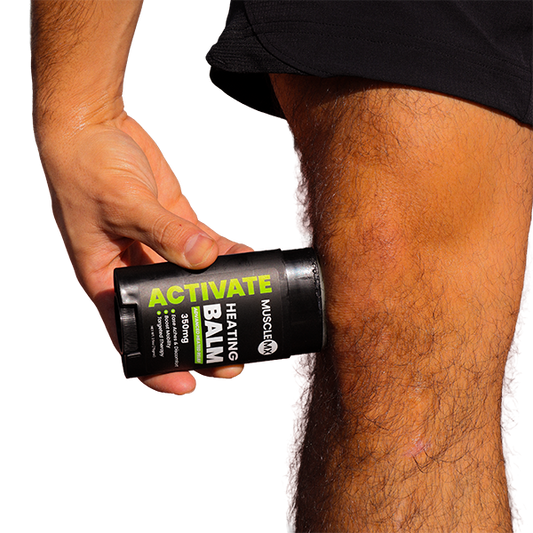
- Prevent future strains through proper warm-ups, dynamic stretching, consistent strength training, and addressing muscle imbalances before returning to full activity. Use a heated cbd balm to warm up muscles before activity.
The key to successful recovery lies in respecting your body's healing phases while staying active within safe limits. Most people recover completely from muscle strains when following evidence-based treatment protocols and avoiding the temptation to rush back too quickly.
Introduction
A severe muscle strain can take up to six months to fully heal after surgery — that's a reality no one wants to face when they're dealing with an injury.
Muscle strains happen when you least expect them. Maybe you reached a little too far for that tennis ball, or perhaps you spent the weekend scrubbing floors and overdid it. Whatever the cause, these injuries can quickly put a halt to your favorite activities and daily routines. The good news? Most people recover completely from muscle strains, even the more serious ones.
Those first few days after your injury are crucial. The inflammatory phase typically occurs during the first 3-7 days, and how you handle this period can make a real difference in your recovery timeline. Remember, inflammation isn't your enemy — it's actually a necessary part of healing. The key is managing it properly to support your body's natural recovery process.
Physical therapists have moved away from outdated approaches and now recommend a more balanced strategy. The P.R.I.C.E. method (Protection, Rest, Ice, Compression, and Elevation) still plays an important role in early treatment, but gentle movement introduced early in recovery has proven essential for optimal healing.
We'll walk you through proven strategies to help speed up your muscle strain recovery. From immediate care techniques you can use right away to long-term prevention methods that'll help you avoid future injuries, you'll learn what actually works and what doesn't. Most importantly, you'll discover how to get back to your normal activities safely and as quickly as possible.
What Are Muscle Strains?
A muscle strain occurs when muscle or tendon fibers tear due to overstretching or excessive force. Understanding how these injuries happen is essential before exploring recovery methods.
What Causes a Muscle Strain?
Muscle strains develop through different mechanisms. Acute strains typically result from sudden movements, improper lifting, or accidents. Chronic strains, on the other hand, develop gradually from repetitive motions or overuse.
Certain muscles face higher injury risk. These include:
- Muscles crossing two joints (like hamstrings)
- Muscles that contract eccentrically
- Muscles with higher percentages of type II (fast-twitch) fibers
Risk factors that increase your likelihood of injury include muscle stiffness, imbalances between muscle groups, previous injuries, and inadequate warm-up before physical activity.
Types and Grades of Muscle Strain
Healthcare professionals classify muscle strains based on severity:
Grade I (Mild): Only a few muscle fibers are damaged with minimal pain and swelling. Strength remains intact with full range of motion. These strains typically appear as edema (fluid) in the muscle on MRI.
Grade II (Moderate): More extensive damage involving a significant number of muscle fibers without complete rupture. This presents with moderate pain, noticeable strength loss, and limited range of motion. Approximately half of muscle fibers are torn.
Grade III (Severe): Complete rupture of the muscle or tendon. This type is characterized by sudden, intense pain, significant swelling, and complete loss of function. A palpable defect may be present in the muscle.
How Long Does a Muscle Strain Last?
Recovery timeframes vary significantly based on the severity of your injury.
Grade I strains typically heal within a few days to 2-4 weeks. Grade II strains generally require 1-2 months for complete recovery. Grade III strains, especially those requiring surgical repair, may take 4-6 months or longer to heal fully.
The location of your injury also impacts recovery time. Muscles crossing two joints (like hamstrings) and those used frequently in daily activities often need more time to heal properly.
Understanding the specific nature of your injury helps set realistic expectations for recovery and determines the most appropriate treatment approaches to support your healing process.
Early-Stage Recovery: Your First Line of Defense
What you do in the first 24-72 hours after a muscle strain can make or break your recovery. Those immediate actions you take? They can dramatically reduce your healing time and help you avoid complications that could set you back for weeks.
Let's explore the most effective techniques to support your body during this critical window.
How to Use the RICE Method Effectively
The RICE method has earned its reputation as the go-to approach for muscle strain treatment. This tried-and-true method helps manage discomfort and swelling while giving your injured area the protection it needs:
- Protection: Stay away from activities that make your symptoms worse or put additional stress on the injured muscle.
- Rest: Limit movement of the affected area during the first 1-3 days. Complete immobilization isn't recommended anymore — light, modified movement that doesn't cause discomfort actually helps speed up healing.
- Ice: Apply ice wrapped in a thin towel for 15-20 minutes every 1-2 hours during the first 24-48 hours. This helps reduce swelling and provides natural relief.
- Compression: Use an elastic bandage to wrap the area, which limits swelling and provides support. Make sure it's snug but not so tight that it cuts off circulation.
- Elevation: Keep the injured area above heart level when possible to help drain fluid and minimize swelling.
Ice vs. Heat: Timing Makes All the Difference
Choosing between ice and heat isn't just about preference — timing is everything. Ice should be your first choice for fresh injuries because it constricts blood vessels, providing relief and reducing inflammation. Stick with ice for the first 2-3 days after your injury.
Heat comes into play later. Once the initial inflammation calms down (usually after 48-72 hours), heat can be your ally. It increases blood flow, relaxes tight muscles, and helps ease stiffness. Here's what you need to remember: never use heat during those first 48 hours, as it can actually increase swelling.
Supporting Your Body's Natural Healing Process
Beyond the RICE method, several strategies can help accelerate your recovery:
Over-the-counter options like ibuprofen or naproxen can help manage discomfort and reduce inflammation. Some research suggests these medications might potentially delay healing, so it's worth discussing with your doctor.
Your body also needs the right fuel to heal. Proper hydration supports cellular repair and helps flush out toxins. Quality sleep is equally important — this is when your body performs most of its tissue repair work.
When Should You Seek Professional Help?
Certain warning signs mean it's time to see a healthcare professional:
Seek immediate care if you hear a "pop" when the injury happens, can't move the affected area, or experience numbness and tingling. If your discomfort gets worse after a few days of home treatment or doesn't improve within a week, it's time to consult a healthcare provider.
Other red flags include severe swelling, inability to bear weight, and discomfort that radiates down your limbs. Getting prompt medical evaluation can prevent long-term complications and ensure you're on the right track for proper healing.
What Happens After the Initial Recovery Period?
Movement becomes your best friend once the initial rest period ends. Physical therapists have found that controlled activity actually promotes circulation, supports tissue repair, and prevents the muscle weakness that can develop with too much rest.
Getting Started with Gentle Stretching and Exercise
You'll know it's time to start gentle stretching when that sharp pain shifts to a more general soreness, typically 3-7 days post-injury. Here's how to approach it safely:
- Start with static stretches held for just 10-15 seconds, then gradually work up to 1-minute holds
- Pay attention to how your body responds — if you feel worse after stretching one day, take a gentler approach the next
Isometric exercises are particularly helpful during early rehabilitation. These involve muscle contractions without any movement, which means you can strengthen your muscles without putting stress on injured tissues:
- Begin with gentle contractions held for 5-10 seconds
- Progress to longer holds as you feel more comfortable
- Gradually advance to controlled movements
These exercises also help trigger your body's natural pain-relief mechanisms, which can make recovery more comfortable.
How Physical Therapy Can Help Your Recovery
Physical therapy offers several key benefits during muscle strain recovery:
- Personalized exercise programs designed specifically for your injury severity
- Manual techniques that can help reduce lingering inflammation
- Improved joint mobility and neuromuscular re-education
- Learning proper movement patterns to prevent future injuries
Safely Getting Back to Normal Activities
The "Envelope of Function Theory" guides how you should reintroduce activity. Think of it as three distinct phases:
- Phase 1: Controlled range of motion with light, pain-free movements
- Phase 2: Low-load strengthening using bodyweight or resistance bands
- Phase 3: Functional movements specific to your daily activities or sports
Remember, some discomfort during exercise is normal — pain up to 3-4 out of 10 is acceptable as long as it doesn't get worse.
Recovery Timelines: What to Expect
Your recovery timeline will depend heavily on how severe your strain is:
- Grade I (mild): 2-4 weeks with proper rehabilitation
- Grade II (moderate): 1-2 months for complete healing
- Grade III (severe): 4-6 months after surgery, often requiring 4-6 weeks of immobilization
Athletes planning to return to competition should expect approximately 1 week of training for every 2 weeks of recovery time. The key is patience — rushing back too quickly often leads to setbacks that can prolong your recovery even further.
What Role Do Lifestyle Factors Play in Your Recovery?
Your daily habits can make a significant difference in how quickly you heal from a muscle strain. Beyond the specific techniques we've covered, the way you live your life — how you sleep, what you eat, and how you prepare your body for activity — plays a crucial role in both recovery and preventing future injuries.
Sleep and Hydration: Your Body's Natural Healers
Have you ever noticed how much better you feel after a good night's sleep when you're injured? There's real science behind that feeling. Quality sleep is when your body releases growth hormones that actually regenerate tissues. You'll want to aim for 7-9 hours nightly to give your body the best chance at optimal recovery. Studies show that when you don't get enough sleep, your body's ability to repair muscle damage drops significantly because protein synthesis decreases.
Water is equally important for your healing process. Think of it as your body's transportation system — it carries nutrients to injured areas and helps remove waste products from damaged tissues. The U.S. National Academies recommends about 15.5 cups daily for men and 11.5 cups for women.
Nutrition That Supports Your Recovery
Your body needs more fuel to heal, especially protein. During recovery, you'll want to increase your protein intake to 1.6-2.5g/kg/day to support tissue repair. The key is spreading this throughout the day — try for 25-30g per meal.
Let's explore some recovery-boosting nutrients that can help:
- Omega-3 fatty acids found in salmon, walnuts, and chia seeds help reduce inflammation
- Vitamin C from oranges and bell peppers supports collagen synthesis
- Calcium and vitamin D become especially important for bone-related injuries
Topical Options: What Actually Works?
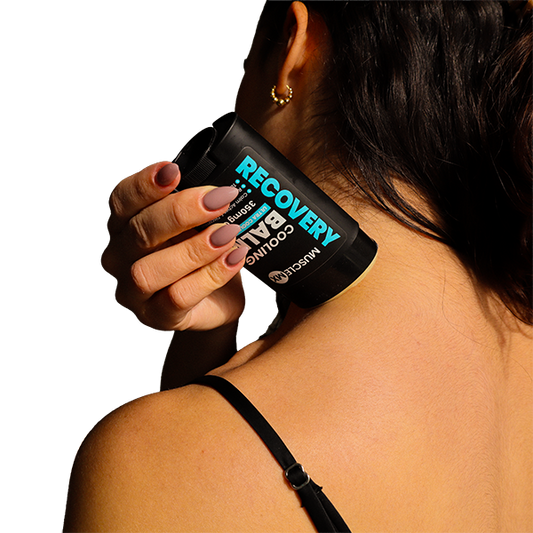
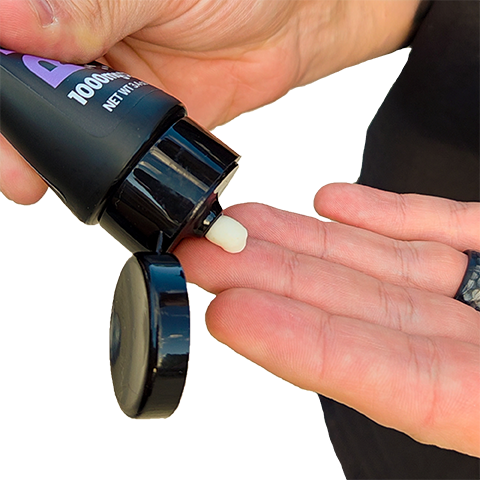
You’ve probably seen topical products made with ingredients like menthol, which work by creating a cooling or heating sensation that temporarily distracts from pain. While this can feel relieving in the moment, it doesn’t address what’s happening beneath the surface. CBD balms, on the other hand, are designed to support the body’s natural recovery process by interacting with receptors involved in pain response and inflammation. Emerging research and widespread consumer use suggest that topical CBD may help ease soreness, reduce discomfort, and support mobility without harsh sensations or reliance on numbing effects.
Knowing the difference between short-term sensation and targeted support allows you to choose a topical that aligns with long-term recovery and daily performance.
Prevention: Your Best Long-Term Strategy
A proper warm-up increases blood flow to your muscles, making them more flexible and less prone to injury. Spend 5-10 minutes on light activity before exercise, then follow with dynamic stretches like lunges and gentle leg swings.
Remember, strength training builds resilience in your muscles and tendons. It's one of the most effective ways to prevent future strains from happening in the first place.
We invite you to explore natural options that can support your recovery journey. Your wellness path is uniquely yours, and taking care of the fundamentals — sleep, nutrition, and preparation — sets the foundation for both healing and long-term muscle health.
Final Thoughts
Your muscle strain recovery journey doesn't have to be a guessing game. The strategies we've covered can make a real difference in how quickly and effectively you heal.
Those first few days matter most — using the RICE method helps manage the initial inflammation and protects your injury from further damage. But remember, staying completely still isn't the answer. Once that sharp pain settles into general soreness, gentle movement becomes your friend.
Your body knows how to heal itself, and different grades of strains follow their own timelines. While a mild strain might have you back in action within weeks, more serious injuries need patience and proper rehabilitation. Physical therapy isn't just helpful — it's often essential for getting back to full function and avoiding future problems.
The choices you make every day support your recovery. Quality sleep gives your body time to repair tissues, staying hydrated helps flush out toxins, and eating enough protein provides the building blocks for stronger muscles. These might seem like small things, but they add up to make a big difference.
Here's what really matters: prevention beats treatment every time. Taking a few minutes to warm up properly, building strength consistently, and addressing muscle imbalances can save you months of recovery down the road. Your patience now pays off with more resilient muscles later.
Understanding these causes and relief options is the first step toward managing your recovery effectively. If you're dealing with persistent discomfort or have concerns about your healing progress, don't hesitate to seek professional help. Your wellness journey is uniquely yours, and the right support can make all the difference in getting back to the activities you love.
FAQ's About How to Speed Up Muscle Strain Recovery
Q: How long does it typically take for a muscle strain to heal?
A: Recovery time varies depending on the severity of the strain. Mild (Grade I) strains may heal in 2-4 weeks, moderate (Grade II) strains usually take 1-2 months, while severe (Grade III) strains can require 4-6 months or longer, especially if surgery is needed.
Q: What is the RICE method, and how does it help with muscle strain recovery?
A: The RICE method stands for Rest, Ice, Compression, and Elevation. It's an effective early-stage recovery technique that helps manage pain and swelling while protecting the injured area. Apply ice for 15-20 minutes every 1-2 hours during the first 24-48 hours, use compression to limit swelling, and elevate the injured area above heart level when possible.
Q: When should I start exercising after a muscle strain?
A: Gentle movement should be introduced after the initial rest period, typically 3-7 days post-injury when sharp pain shifts to general soreness. Start with static stretches and isometric exercises, gradually progressing to more dynamic movements as tolerated. Always stay within pain-free ranges of motion.
Q: How can nutrition and sleep affect muscle strain recovery?
A: Proper nutrition and sleep are crucial for healing. Increase protein intake to 1.6-2.5g/kg/day to support tissue repair, and include foods rich in omega-3 fatty acids and vitamin C. Aim for 7-9 hours of quality sleep nightly, as this is when your body performs most tissue repairs and releases growth hormones essential for regeneration.
Q: What are some effective ways to prevent future muscle strains?
A: To prevent future strains, incorporate proper warm-ups before physical activity, including 5-10 minutes of light exercise followed by dynamic stretches. Regular strength training builds muscle resilience, and addressing muscle imbalances can reduce injury risk. Always listen to your body and avoid rushing back to full activity too quickly after an injury.
References
https://my.clevelandclinic.org/health/diseases/22336-muscle-strains
https://www.health.harvard.edu/staying-healthy/best-ways-to-recover-from-a-muscle-strain
https://www.hingehealth.com/resources/articles/how-to-speed-up-muscle-strain-recovery/
https://www.pennmedicine.org/conditions/strains
https://www.physio-pedia.com/Muscle_Strain
https://orthoinfo.aaos.org/en/diseases--conditions/muscle-strains-in-the-thigh/
https://www.hss.edu/health-library/conditions-and-treatments/muscle-strain
https://www.unitypoint.org/news-and-articles/when-to-go-to-urgent-care-for-muscle-strains
https://www.yalemedicine.org/news/rice-protocol-for-injuries