Does Arnica Really Help With Swelling? Here's What Science Says
Key Takeaways
Scientific evidence on arnica's effectiveness for swelling shows mixed results, with some studies supporting its benefits while others find minimal difference from placebo effects.
- Arnica gel works as effectively as topical NSAIDs for osteoarthritis pain and stiffness when applied twice daily for 3 weeks
- The active compound helenalin reduces inflammation by inhibiting NF-κB pathways and suppressing inflammatory enzymes
- Apply arnica gel 3-4 times daily on intact skin only—never use on open wounds or consume orally as it's toxic
- Pregnant women, those on blood thinners, and people allergic to ragweed family plants should avoid arnica completely
- Results typically appear within 24 hours of consistent use, with full healing potentially occurring in half the normal time
While arnica shows promise for certain conditions, consult healthcare providers before use, especially if you have underlying health conditions or take medications. The safety profile requires careful attention to proper application and dosage guidelines.
Introduction
Swelling after an injury or intense workout — it's something most of us have dealt with at some point. Maybe you've reached for that tube of arnica cream tucked away in your medicine cabinet, hoping this plant-based remedy might offer some relief. This traditional treatment has gained quite a following as people search for natural ways to manage inflammation and swelling.
The research on arnica presents an interesting picture. Studies show that applying arnica gel twice daily for three weeks can help reduce pain and stiffness in people with osteoarthritis of the hand or knee — sometimes working just as well as ibuprofen. The key player here is helenalin, a compound that helps calm inflammatory responses and reduces capillary leakage, which limits fluid buildup in tissues.
But here's where it gets complicated. While a review of herbal therapies found that arnica gel performs about as well as topical NSAIDs for inflammation and pain relief, not every study supports these benefits across all types of swelling. The clinical evidence shows mixed results, leaving many wondering whether arnica truly delivers on its promises.
Understanding what the science actually says about arnica is important if you're considering it as part of your wellness routine. Let's explore the research behind arnica's effectiveness, how to use it safely if you choose to try it, and when you might want to consider other options for managing swelling and inflammation.
What Is Arnica and How Does Arnica Work
This daisy-like plant has been tucked away in traditional medicine cabinets across Europe and North America for generations, valued for its powerful anti-inflammatory properties. What makes this mountain-dwelling herb so remarkable? Let's explore the science behind arnica and discover how it works in your body.
What Is Arnica Montana
Arnica montana, commonly known as mountain arnica, belongs to the Asteraceae family — the same plant family that includes sunflowers. This perennial herb thrives in the mountain regions of Europe, North America, and parts of Asia. You'll recognize it by its bright yellow or orange flowers that can reach up to two feet tall, paired with distinctive oval-shaped green leaves.
Among the approximately 30 species in the Arnica genus, Arnica montana is the most widely used for therapeutic purposes. You might also hear it called by other names like mountain tobacco, leopard's bane, or wolf's bane.
Here's something interesting — wild Arnica montana has become increasingly rare in its native habitats due to rising popularity and overharvesting. This has led to commercial cultivation efforts, primarily in Europe and Chile.
The Active Compounds in Arnica
The healing power of arnica comes from its impressive chemical makeup. Scientists have identified over 150 bioactive compounds throughout different parts of the plant. These compounds work together to create arnica's therapeutic effects.
The main players include:
- Sesquiterpene lactones: Particularly helenalin and dihydrohelenalin, which are primarily responsible for the anti-inflammatory effects
- Flavonoids: Including quercetin and luteolin, which provide antioxidant properties
- Essential oils: Containing thymol derivatives that offer natural antioxidant benefits
- Additional compounds: Carotenoids, phenolic acids, coumarins, and oligosaccharides
What's fascinating is how the chemical composition varies between different parts of the plant. The flowers contain mostly sesquiterpene hydrocarbons (55.43%), oxygenated aliphatic hydrocarbons (14.97%), and monoterpene hydrocarbons (10.41%). Meanwhile, the underground parts — the roots and rhizomes — contain predominantly aromatic phenyl compounds and ketones (over 83%).
How Arnica Affects Inflammation and Swelling
Understanding how arnica works in your body helps explain why it might be effective for reducing swelling. The anti-inflammatory action operates through several important pathways.
The key mechanism involves sesquiterpene lactones, especially helenalin, which inhibit the transcription factor NF-κB — a central regulator of inflammation. Think of NF-κB as a master switch that turns on genes responsible for producing inflammatory substances. When arnica blocks this switch, it helps prevent the cascade of inflammation.
Arnica also works by suppressing specific enzymes — cyclooxygenase-2 (COX-2) and 5-lipoxygenase (5-LOX) — that create pro-inflammatory compounds called prostaglandins and leukotrienes. This mechanism is different from conventional NSAIDs, yet it produces similar anti-inflammatory effects.
Additionally, arnica reduces the production of inflammatory cytokines like TNF-α, IL-1β, and IL-6, which are chemical messengers that recruit immune cells and amplify inflammatory signals. Its antioxidant properties also help decrease reactive oxygen species in inflamed tissues.
Beyond controlling inflammation, arnica improves circulation and provides a unique sensation — both cooling and warming effects that help reduce swelling without actually changing the temperature of your skin. This multi-faceted approach is what makes arnica an interesting option for managing swelling and inflammation.
What Does the Research Actually Say About Arnica for Swelling?
When it comes to arnica research, the results tell a story that's far from straightforward. Scientists have been studying this plant for years, and the findings paint a picture with both bright spots and some disappointing gaps.
The Mixed Results From Clinical Studies
Clinical trials on arnica present quite a range of outcomes. One study found a significant reduction in swelling for patients recovering from cruciate ligament reconstruction compared to those who received a placebo. That's encouraging news for anyone dealing with post-injury swelling.
However, other research tells a different story. A meta-analysis looking at homeopathic arnica for postoperative recovery found only a small effect size for preventing excess bruising. Still, the German Commission E has given its approval for arnica flower products to treat hematomas, dislocations, contusions, and edema — which suggests there's something worth paying attention to.
Arnica's Track Record With Post-Surgery Swelling
The surgical recovery research shows similar inconsistencies. One randomized double-blind study noted a trend toward less postoperative swelling following knee arthroscopy and artificial knee joint procedures. Another crossover study demonstrated significant edema reduction after wisdom tooth extractions. These results have led some medical professionals to recommend arnica for reducing bruising and swelling related to trauma and surgery.
Where the Research Gets Murky
Here's where things become less promising. Many studies have serious methodological issues, including small sample sizes and missing statistical analysis. A review of controlled clinical trials reached a pretty clear conclusion: "the claim that homeopathic arnica is efficacious beyond a placebo effect is not supported by rigorous clinical trials".
Even more concerning, one small study found that topical arnica actually increased pain 24 hours after calf exercises. That's not exactly the outcome you'd hope for from a pain relief product.
The Reality of Arnica vs. Placebo
When researchers analyzed placebo-controlled trials together, they found a small effect size (g = 0.18) that just barely missed being statistically significant. One bright spot came from a study on laser-induced bruising, which showed that topical 20% arnica ointment reduced bruising more effectively than placebo.
A 2021 review concluded that arnica gel appears about as effective as topical NSAIDs for inflammation and pain relief, but noted these findings weren't clinically significant. That means while there might be some effect, it may not be meaningful enough to make a real difference in how you feel.
Using Arnica for Swelling Safely
When you decide to try arnica for swelling, how you use it can make all the difference in whether you see results. The good news is that proper application is straightforward once you know what works best.
What Form of Arnica Should You Choose?
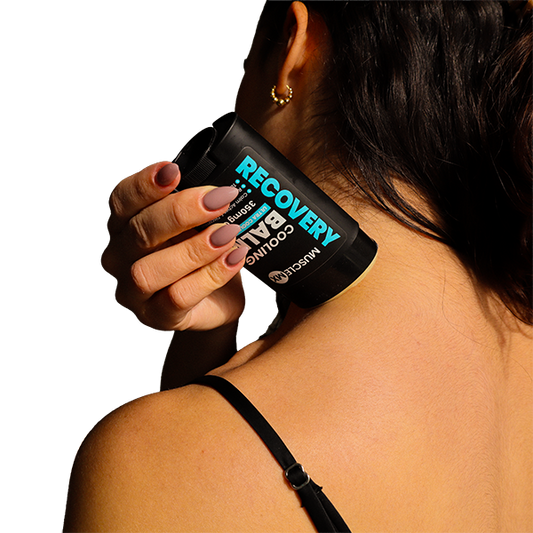
Topical preparations are your safest and most effective option. You'll find arnica in gels, creams, balms, ointments, salves, roll-ons, and oils, but research suggests arnica gel may be your best choice. A 2021 review found arnica gel performs about as effectively as topical NSAIDs for inflammation and pain relief. If you're dealing with joint discomfort, applying arnica gel to affected joints two to three times daily for three weeks can help reduce pain and stiffness.
How to Apply Arnica Properly
Getting the most from arnica means following a few simple steps:
- Clean the affected area with mild soap and water, then dry thoroughly
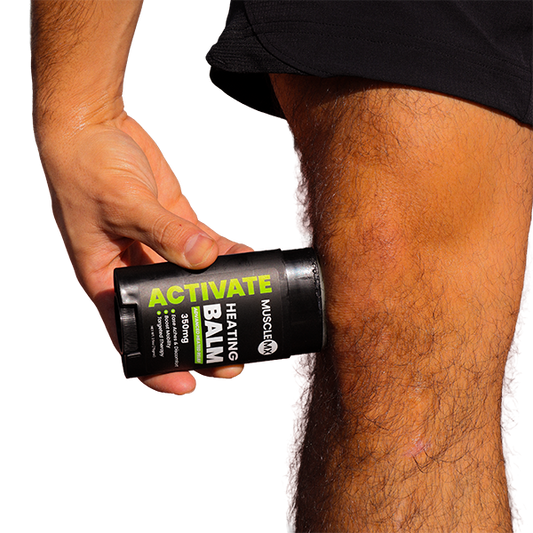
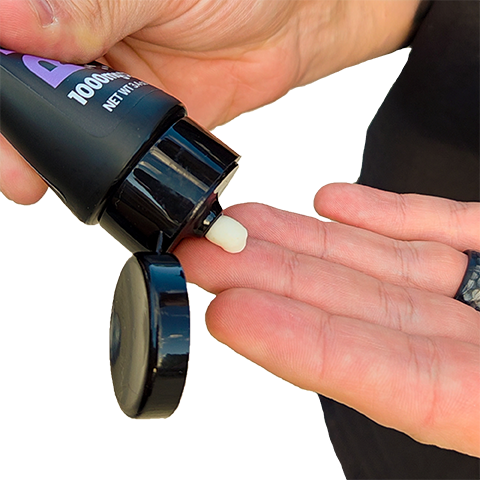
- Apply a thin layer (about a pea-sized amount) to the bruised or swollen area
- Massage gently using circular motions until absorbed
- Repeat 3-4 times daily for best results
- Apply as soon as possible after injury
- Continue application for several days, even after visible bruising disappears
Remember, never apply arnica directly on open wounds or broken skin. If you're using heat or ice therapy, wait about 5 minutes before applying arnica. Also, avoid tightly wrapping or bandaging the treated area.
When Can You Expect to See Results?
You might notice improvement within 24 hours of consistent application. Some people find that what typically takes two weeks to heal may resolve in less than a week with regular arnica use. Keep in mind that arnica works with your body's natural healing processes, so bruises won't disappear overnight. Consistency is key — stick to applying it 2-4 times daily with a high-quality product containing genuine arnica extract.
Important Safety Considerations for Arnica Use
While we've explored arnica's potential benefits, understanding its safety profile is crucial before adding it to your wellness routine. Safety considerations might seem overwhelming, but knowing when and how to use arnica properly can help you make informed decisions.
When Arnica Becomes Dangerous
Arnica is poisonous when ingested in undiluted forms. Taking the plant, extracts, or oils by mouth can lead to serious complications including vomiting, diarrhea, stomach pain, irregular heartbeat, difficulty breathing, and even cardiac arrest. This is why you'll only find highly diluted homeopathic preparations for internal use.
Another critical safety concern involves broken skin. Never apply arnica to open wounds or cuts, as it can be absorbed directly into your bloodstream and cause toxicity.
Who Should Skip Arnica Altogether
Certain individuals should avoid arnica completely. Pregnant and breastfeeding women fall into this category — one documented case showed a 9-day-old breastfed infant developed hemolytic anemia after the mother drank arnica tea.
If you're allergic to plants in the Asteraceae family — think ragweed, chrysanthemums, sunflowers, and marigolds — arnica isn't for you. People with inflammatory bowel disease, high blood pressure, or heart rhythm problems should also steer clear.
Arnica and Your Medications
Here's something important to consider: arnica contains compounds called coumarins that can affect blood clotting. This means it shouldn't be combined with blood-thinning medications like aspirin, warfarin, or clopidogrel. The same goes for herbs such as garlic, ginger, and ginseng that also influence clotting.
Planning surgery? Stop using arnica at least two weeks beforehand.
The Broken Skin Rule
Remember: intact skin only. Applying arnica to open wounds, cuts, or broken skin can cause irritation, allergic reactions, or allow toxic compounds to enter your system. This rule is non-negotiable when it comes to safe arnica use.
Final Thoughts
Arnica occupies an interesting space in natural wellness — a traditional remedy backed by centuries of use but with modern research that tells a more nuanced story. We've explored how this mountain flower contains compounds like helenalin that can influence inflammatory pathways, yet the clinical evidence remains mixed on its effectiveness for swelling.
Some studies show genuine promise, particularly for conditions like osteoarthritis where arnica gel performed as well as topical NSAIDs. Other research suggests the benefits might not extend much beyond placebo effects. This doesn't mean arnica is ineffective for everyone — individual responses can vary significantly.
Remember, safety considerations are just as important as potential benefits. Arnica should never be ingested or applied to broken skin, and certain people need to avoid it entirely. Pregnant or breastfeeding women, those on blood-thinning medications, and people with allergies to plants in the ragweed family should steer clear of arnica products.
If you decide to explore arnica as part of your wellness routine, topical gels applied consistently and correctly offer the best approach. The key is patience — natural healing processes take time, and arnica works gradually with your body's own systems.
Your wellness journey is uniquely yours, and arnica represents just one option among many for managing swelling and inflammation. Whether you choose traditional remedies, conventional treatments, or a combination approach, the most important factor is finding what works safely and effectively for your specific needs. We encourage you to have these conversations with your healthcare provider to make the most informed decisions for your health.
FAQ's if Arnica Really Helps With Swelling?
Q: How effective is arnica for reducing swelling?
A: Studies show mixed results, but arnica gel appears to be as effective as topical NSAIDs for inflammation and pain relief in some cases. It may help reduce swelling from injuries, surgeries, and conditions like osteoarthritis when applied correctly.
Q: What's the best way to use arnica for swelling?
A: Apply a thin layer of arnica gel or cream to the affected area 3-4 times daily, gently massaging it in circular motions. Start treatment as soon as possible after injury and continue for several days, even after visible bruising disappears.
Q: Are there any side effects or safety concerns with using arnica?
A: Arnica is generally safe when used topically on unbroken skin. However, it should never be ingested or applied to open wounds as it can be toxic. Some people may experience skin irritation or allergic reactions, especially those sensitive to plants in the Asteraceae family.
Q: How quickly does arnica work on swelling?
A: Some people notice improvement within 24 hours of consistent application. While arnica won't make bruises vanish overnight, it may help reduce healing time. For example, what typically takes two weeks to heal might resolve in less than a week with regular arnica use.
Q: Who should avoid using arnica?
A: Pregnant or breastfeeding women, people with allergies to plants in the Asteraceae family, and those with inflammatory bowel disease, high blood pressure, or heart rhythm problems should avoid arnica. It's also not recommended for use with blood-thinning medications due to potential interactions.
References
https://www.webmd.com/vitamins/ai/ingredientmono-721/arnica
https://www.legendscreekfarm.com/blogs/legends-blog-home-page/does-arnica-reduce-swelling?srsltid=AfmBOooJlJRKKSvmWYAfoJbzP5NoGSVOqlgXS-kUAHNjzf9C2uJB9fG-
https://health.clevelandclinic.org/arnica
https://www.gaiaherbs.com/blogs/seeds-of-knowledge/arnica?srsltid=AfmBOopkVLL4Jq7fxssioeEZcGIZf8tpqe3gfyrEBrKWBbMcGH0UCWY6
https://www.healthline.com/health/arnica-for-bruises
https://www.sciencedirect.com/topics/pharmacology-toxicology-and-pharmaceutical-science/arnica-montana
https://consensus.app/search/arnica-anti-inflammatory-mechanisms/NtXF5KfaTvmNv1sVv1f-Bg/
https://www.mdpi.com/1999-4923/17/2/171
https://www.mdpi.com/2223-7747/13/21/3112