The Fastest Ways to Relieve Knee Pain: Medical Experts Share Their Secrets
Key Takeaways
Medical experts reveal that effective knee pain relief combines immediate interventions with understanding the root cause for lasting results.
- Apply the RICE method (Rest, Ice, Compression, Elevation) for acute injuries and use heat therapy for chronic stiffness and arthritis-related pain.
- Over-the-counter NSAIDs like ibuprofen provide fast relief, while topical treatments like Voltaren gel target pain directly with fewer side effects.
- Gentle stretches and low-impact exercises like walking and cycling strengthen supporting muscles while improving flexibility without stressing the joint.
- Seek medical attention immediately if you experience severe pain, inability to bear weight, visible deformity, or symptoms persisting beyond 6 weeks.
- Pain location provides crucial diagnostic clues—front knee pain often indicates arthritis or bursitis, while side pain suggests ligament issues.
The key to successful knee pain management lies in matching the right treatment to your specific condition while addressing underlying causes rather than just masking symptoms.
Introduction
Your knee absorbs a force equal to three times your body weight with every step you take. When you're running, that force jumps to six times your body weight.
Knee pain — it's a discomfort that can turn even the simplest activities into a challenge. Whether it's a sharp twinge when you're climbing stairs or a persistent ache that won't go away, this common condition affects people of all ages. Your knee is the largest joint in your body, supporting and absorbing much of your weight as you move. This makes it particularly vulnerable to strain and damage.
Have you ever noticed how knee pain isn't just about the physical discomfort? It can really affect how you go about your daily life. Understanding what's causing your knee pain is the first step toward finding effective relief. From osteoarthritis — the most common form of knee arthritis — to overuse injuries, different conditions need different approaches to find lasting relief.
Let's learn more about both medical treatments and natural remedies that medical experts recommend for knee pain. We'll explore when these solutions work best and when it's time to reach out to a healthcare professional. Remember, if your knee pain hasn't improved after six weeks of self-care, it's important to seek professional help.
Whether you need immediate relief or you're looking for long-term solutions, we've gathered the most effective strategies to help you move comfortably again.
Understanding Knee Pain and Why It Happens
Your knee is one of the most complex joints in your body, which also makes it surprisingly vulnerable to pain. Every time you walk, run, or jump, your knees absorb tremendous force, making them susceptible to various issues. Understanding what's causing your discomfort is the first step toward finding effective knee pain relief.
Common Causes Like Arthritis, Injury, and Overuse
Arthritis stands as the leading cause of knee pain, especially for those over 50. Osteoarthritis, the most common type, develops when cartilage gradually wears away, eventually leading to bone rubbing against bone. Rheumatoid arthritis works differently — this autoimmune condition causes your immune system to mistakenly attack joint tissues, resulting in inflammation and cartilage breakdown.
Injuries represent another major source of knee discomfort. These include:
- ACL (anterior cruciate ligament) tears, common in sports requiring sudden direction changes
- Meniscus tears, which occur when you suddenly twist your knee while bearing weight
- Fractures from falls or accidents
- Tendinitis, inflammation of tendons often caused by repetitive motions
Overuse injuries develop after repetitive stress without appropriate healing time. These conditions frequently affect the knee because of the numerous attachment sites for muscles and tendons surrounding the joint. Athletes who participate in individual sports like tennis or gymnastics face higher risks of developing these issues.
How Pain Location Can Hint at the Cause
Where you feel knee pain often provides valuable clues about what's causing it. Pain in the front of your knee typically suggests issues like arthritis, bursitis, or patellofemoral pain syndrome. Pain behind the knee may indicate tendon injuries, arthritis, Baker's cysts, or tight leg muscles.
Pain on the inside edge often points to MCL (medial collateral ligament) tears or medial compartment osteoarthritis. Pain on the outside edge commonly relates to LCL (lateral collateral ligament) tears, lateral meniscus injuries, or iliotibial band syndrome.
For those experiencing pain below the knee, conditions like patellar tendinitis (jumper's knee) or Osgood-Schlatter disease might be responsible. This knowledge helps both you and your healthcare provider pinpoint potential causes and determine appropriate treatment options.
When Knee Pain Becomes a Chronic Issue
Chronic knee pain is classified as discomfort persisting for three months or longer. While acute knee pain tends to be sharp and intense, chronic pain often shows up as a dull, persistent ache that gradually worsens.
Several factors can turn acute knee issues into chronic problems. Insufficient recovery time following injuries leads to failed healing, where tendons aren't properly rested or rehabilitated. This results in microscopic changes and inflammation of affected tissues.
What initially seems like a temporary condition can have long-term consequences. Research shows 57% of women with patellofemoral pain had unfavorable recovery 5-8 years after diagnosis, despite showing no radiographic evidence of osteoarthritis.
Understanding these patterns helps explain why finding appropriate knee pain relief methods early is essential for preventing long-term issues. Whether you're exploring natural remedies for knee pain or medical interventions, addressing the root cause rather than simply masking symptoms offers the best chance for lasting relief.
What Are the Fastest Medical Treatments for Knee Pain Relief?
When knee pain starts affecting your daily activities, finding fast relief becomes essential. Medical treatments can often work more quickly than lifestyle changes alone, giving you the relief you need to get back to your normal routine while addressing what's causing the discomfort.
Over-the-Counter Medications
Over-the-counter medications are usually the first step toward immediate knee pain relief. Non-steroidal anti-inflammatory drugs (NSAIDs) like ibuprofen (Advil, Motrin), naproxen (Aleve), and diclofenac don't just relieve pain — they also reduce the inflammation that often comes with knee issues. Acetaminophen (Tylenol) can effectively manage mild to moderate pain, but it doesn't have anti-inflammatory properties.
Topical medications often work faster than pills because they deliver relief directly to the painful area. Diclofenac gel (Voltaren) has become quite popular since it targets pain with minimal absorption into your system. This makes it a great option if you're concerned about the stomach issues that can come with oral NSAIDs.
Keep in mind that just because the pain goes away doesn't mean your underlying condition has healed. Use good judgment when getting back to activities with a knee that feels better but may still be healing.
Injections for More Serious Relief
When over-the-counter options aren't enough, knee injections can offer the next level of relief. Corticosteroid injections work by powerfully reducing inflammation, pain, and swelling within the joint. These shots can provide significant relief within days, with effects lasting several weeks to months. However, doctors typically limit these to three or four injections per year to prevent joint damage from overuse.
Hyaluronic acid injections work differently — they're sometimes called gel shots or viscosupplementation. These injections help lubricate the joint by supplementing the natural shock-absorbing fluid that decreases with conditions like osteoarthritis. You'll generally receive a series of three to five weekly injections, with pain relief lasting up to six months.
Both types of injections are outpatient procedures done in a doctor's office. Hyaluronic acid injections generally take longer to work — up to three weeks for full effect — but may provide longer-lasting relief for the right candidates.
When Surgery Becomes Necessary
Surgery becomes an option mainly when other treatment methods don't provide adequate relief. Arthroscopic surgery is a minimally invasive procedure using small incisions that can repair cartilage or meniscus tears, or remove bone fragments that cause catching or locking sensations.
For severe cases, especially those with advanced arthritis, knee replacement surgery may be necessary. The procedure involves replacing damaged portions of the joint with metal and plastic components. Most knee replacements last 15-20 years or longer, providing significant improvements in pain levels, mobility, and quality of life.
Before considering surgery, doctors typically try all conservative treatments including physical therapy, weight loss when appropriate, medications, and injections. The decision for surgical intervention should always involve a thorough discussion of risks, benefits, and recovery expectations with your healthcare provider.
Home Remedies That Work Quickly
Looking for immediate knee pain relief without heading to the doctor? Several proven home remedies can provide quick comfort right from your own home. These accessible solutions often work as your first line of defense against common knee pain before medical intervention becomes necessary.
RICE Method: Rest, Ice, Compression, Elevation
The RICE method stands as a foundational approach for managing acute knee injuries. This protocol helps reduce inflammation, swelling, pain, and bleeding in soft tissues.
Rest your injured knee for 24-48 hours, avoiding activities that cause pain. This step prevents further damage while allowing healing to begin. Remember, your body needs time to start the repair process.
Ice application comes next. Apply ice to the affected area for 15-20 minutes every 2-3 hours during the first 24-48 hours. The cold helps constrict blood vessels, numbs tissues, and controls swelling. Always use a cloth barrier between ice and skin to prevent frostbite. Some experts suggest a modified approach: 10 minutes of ice, followed by 20 minutes off, then repeating this cycle once or twice.
Compression involves gently wrapping the knee with an elastic bandage. This helps control swelling, but it shouldn't be too tight — watch for numbness or tingling, which are signs the bandage needs loosening.
Finally, elevate your knee above heart level whenever possible. This reduces throbbing, pain, and swelling by slowing blood flow to the injured area.
Heat Therapy for Stiffness and Chronic Pain
Heat therapy works differently than ice — it's most effective after swelling subsides or for chronic conditions like arthritis. Applying heat increases blood flow to affected areas, delivering more oxygen and nutrients to injured tissues. This improved circulation relaxes tight muscles and increases flexibility.
For effective heat application, consider:
- A 20-minute session with a heating pad before stretching or exercising
- A warm shower (92-100°F) to reduce morning stiffness
- Warm pool exercises that can decrease pain by up to 40%
Heat proves especially beneficial for knee osteoarthritis, improving quality of life, pain, stiffness, and functional capacity. For maximum benefit, limit heat application to 20 minutes at a time.
CBD Balm and Topical Creams for Fast Relief
Topical treatments provide another fast-acting option for knee pain. Diclofenac sodium gel (Voltaren) delivers targeted relief with minimal systemic absorption, making it ideal for those concerned about side effects from oral medications. Apply 4 grams to each affected knee four times daily.
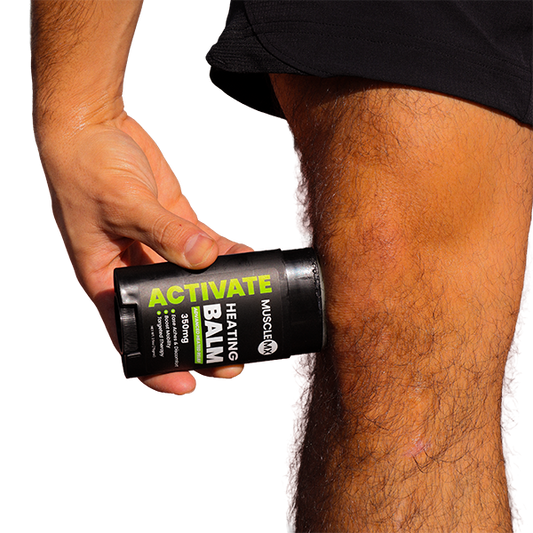
CBD balms have gained attention for potentially alleviating knee discomfort through anti-inflammatory properties. These products interact with cannabinoid receptors in the skin without entering the bloodstream, offering localized relief. While research continues, some small trials showed improvements in hand pain from arthritis with transdermal CBD solutions.
Understanding these remedies gives you options to manage knee pain effectively at home. Use ice for acute pain, heat for chronic stiffness, and topical treatments for ongoing discomfort — this creates a well-rounded approach to knee pain relief.
Exercises and Movements That Help Right Away
You might think resting is the only answer for knee pain, but strategic movement often provides faster relief. Physical activity keeps the muscles around your knee strong while reducing stiffness and improving flexibility. This creates a natural support system for your knee joint.
Gentle Stretches to Improve Flexibility
Starting with stretching prepares your knee for more significant movement. The hamstring stretch targets the muscles behind your thigh that often contribute to knee discomfort. Lie down, lift one leg, and gently pull it toward your chest while keeping the knee slightly bent.
The quadriceps stretch works the front thigh muscles that directly support your knee. Stand holding a chair for balance, bend one knee to bring your heel toward your buttock, and hold for 30 seconds. You can also incorporate the calf stretch by standing facing a wall with one leg behind you, keeping both heels flat while pressing your hips forward.
For the best results, hold stretches for 20-30 seconds if possible. Remember to rate your pain — aim to keep it below 5 on a scale of 10.
Low-Impact Exercises That Support Joint Health
Once you've stretched, low-impact exercises can strengthen your knee without adding stress. Walking stands out as simple yet effective, improving circulation and enhancing overall muscle strength. Studies show walking can be one of the best exercises for people with knee osteoarthritis.
Cycling works your quadriceps and hamstrings while improving range of motion with minimal pressure on your knees. Water exercises offer another excellent option — the buoyancy reduces stress on joints while swimming engages your entire body with zero strain on knees.
These activities produce joint-lubricating fluids that can help reduce inflammation and improve joint health. Your body knows how to take care of itself when you give it the right kind of movement.
Movements to Avoid When Your Knee Hurts
Not all movements help knee pain. High-impact activities like running and jumping can place force up to 7-10 times your body weight on your knees. Lunges with knees passing over toes can significantly increase pressure at the kneecap.
Deep squats can put excessive strain on already painful knees. Instead, consider partial squats that work the same muscle groups with less stress.
Listen to your body — if an exercise causes pain that lasts days into weeks and doesn't improve with modification or rest, it's time to find something else. Proper form is important; never allow knees to collapse inward during any exercise.
When Should You See a Doctor About Knee Pain?
Home remedies and gentle exercises can provide excellent relief for many knee issues, but there are times when professional medical care becomes important. Recognizing these moments can help prevent long-term damage and get you back to feeling your best.
Signs Your Knee Pain Needs Professional Attention
There are certain warning signs that shouldn't be ignored. Reach out to your doctor right away if you experience:
- Sudden severe pain after an injury or with no clear cause
- Inability to put weight on your affected knee
- Visible changes in your knee's shape or significant swelling
- Knee buckling or locking when you try to move
- Fever, redness, or warmth around the knee area (these could signal infection)
- Pain that continues despite 48 hours of rest and home care
Medical experts recommend seeking care if your knee pain doesn't start improving within a few weeks of self-treatment.
What Happens During Your Doctor Visit
Your doctor will take a close look at how your knee moves, how stable it feels, and check for any visible changes. They might use something called the Ottawa knee rules to decide if X-rays are needed after an injury. Depending on what they find, your doctor may recommend imaging tests like X-rays or MRI scans, or sometimes they'll need to take a small sample of fluid from your knee for analysis.
Getting Ready for Your Appointment
Before your visit, take some time to track when your pain happens and what seems to help or make it worse. Write down any medications you're currently taking, along with details about previous injuries or treatments you've tried. Wear clothes that make it easy for your doctor to examine your knee. Consider bringing someone with you to help remember the important information your doctor shares.
Final Thoughts
Knee pain affects millions of people, but there are effective relief options for almost every situation. We've explored various approaches to address knee discomfort quickly and effectively, and the best relief method for you depends on your specific condition, pain severity, and what's causing the discomfort.
Addressing knee pain early is important to prevent minor issues from becoming chronic problems. The RICE method works well for acute injuries, while heat therapy can offer relief for ongoing stiffness. Targeted exercises help strengthen the muscles that support your knee without putting additional stress on joints that are already uncomfortable.
Over-the-counter medications can provide quick relief for many people, though persistent pain might need medical interventions like corticosteroid injections. Surgery remains an option when other treatments haven't provided adequate results.
Remember, where you feel knee pain often gives important clues about what's causing it. This knowledge helps both you and your healthcare provider determine the most effective treatment approach. Some conditions can be managed with home care, but others need professional attention to prevent long-term complications.
Your knee endures significant forces every day, making it particularly vulnerable to injury and wear. Taking proactive steps to maintain knee health through proper exercise, weight management, and paying attention to pain signals can make a real difference in your long-term mobility.
Your body has a way of telling you when something isn't quite right. Listening to these signals and seeking appropriate care when needed helps ensure you can stay active and comfortable. With the right approach and timely intervention, knee pain doesn't have to limit your mobility or quality of life.
We invite you to explore natural relief options that work with your body's own systems to support joint health and overall wellness. Your wellness journey is uniquely yours, and finding the right combination of treatments can help you get back to the activities you enjoy.
FAQ's About The Fastest Ways to Relieve Knee Pain
Q: What are the most effective home remedies for quick knee pain relief?
A: The RICE method (Rest, Ice, Compression, Elevation) is highly effective for acute knee injuries. For chronic pain, heat therapy can help relieve stiffness. Additionally, over-the-counter NSAIDs and topical treatments like CBD balms or diclofenac gel can provide fast relief.
Q: When should I see a doctor about my knee pain?
A: Seek medical attention if you experience sudden severe pain, inability to bear weight, visible deformity, knee buckling or locking, signs of infection (fever, redness, warmth), or if pain persists despite 48 hours of home care. Also, consult a doctor if knee pain doesn't improve within a few weeks of self-treatment.
Q: Can exercise help relieve knee pain?
A: Yes, certain exercises can help alleviate knee pain. Gentle stretches improve flexibility, while low-impact activities like walking and cycling strengthen supporting muscles without stressing the joint. However, it's important to avoid high-impact movements that may worsen the pain.
Q: How can I tell what's causing my knee pain based on its location?
A: The location of knee pain often provides clues about its cause. For example, pain in the front of the knee may indicate arthritis or bursitis, while pain on the sides could suggest ligament issues. Pain behind the knee might be related to tendon injuries or Baker's cysts.
Q: What are the fastest medical treatments for severe knee pain?
A: For severe knee pain, corticosteroid injections can provide significant relief within days, with effects lasting several weeks to months. Hyaluronic acid injections, while taking longer to work, can offer relief for up to six months. In cases where conservative treatments fail, surgical options may be considered for faster, long-term relief.
References
https://www.kingedwardvii.co.uk/health-hub/9-things-you-could-be-doing-that-will-make-your-knee-pain-worse
https://orthotoc.com/home-remedies-for-knee-pain/
https://my.clevelandclinic.org/health/symptoms/21207-knee-pain
https://www.nhsinform.scot/illnesses-and-conditions/muscle-bone-and-joints/leg-and-foot-problems-and-conditions/exercises-for-knee-problems
https://my.clevelandclinic.org/health/diseases/21978-arthritis-of-the-knee
https://www.mayoclinic.org/diseases-conditions/knee-pain/symptoms-causes/syc-20350849
https://www.hopkinsmedicine.org/health/conditions-and-diseases/knee-pain-and-problems
https://pubmed.ncbi.nlm.nih.gov/19887299/
https://now.aapmr.org/knee-overuse-disorders/
https://www.hss.edu/health-library/conditions-and-treatments/list/knee-pain-causes-conditions-treatments
https://www.healthline.com/health/knee-pain-location-chart
https://www.firststateortho.com/blog/chronic-knee-pain
https://upmc.ie/blog/orthopedic-care/how-to-use-the-r-i-c-e-method-for-treating-injuries
https://www.webmd.com/first-aid/rice-method-injuries
https://my.clevelandclinic.org/health/treatments/rice-method