Research Says Being Out of Shape Beats Smoking as a Health Risk. Here's What's Actually Stopping People From Working Out
Most people are not exercising anywhere near enough, and official guidelines have been telling them the bare minimum instead of what actually protects their health. A 2026 perspective paper from a University of Cambridge researcher argues that low fitness levels may carry a greater mortality risk than smoking, and that one of the biggest reasons people fall short of even modest activity targets is simple: their muscles hurt too much, too often, to keep showing up.
In this article
- What the new research actually found
- Why soreness is the real barrier, not motivation
- Heat vs. cold: what helps recovery, at a glance
- How to stop soreness from costing you tomorrow's workout
- FAQ
What does the new research actually say about exercise guidelines?
A perspective paper published in Frontiers in Nutrition in 2026, authored by Cambridge researcher Chris Macdonald, argues that very low cardiovascular fitness is linked to roughly a 400 percent higher risk of death compared with high fitness levels, and low muscular strength to roughly a 200 percent increase. Smoking, by comparison, carries roughly a 50 percent increase. These numbers come from separate bodies of research rather than a single head to head study, but together they make a simple point: being out of shape may be doing more damage than the habit most public health campaigns spend their energy fighting.
The paper's second argument is just as important. Current US and UK physical activity guidelines are framed around minimums, the "at least" amount needed to avoid the worst outcomes, not the amount that actually optimizes health. Macdonald calls for guidelines built around what helps people thrive, not just survive.

Why does soreness, not motivation, decide if you keep exercising?
It is easy to read a stat like that and assume the fix is willpower. In practice, the bigger obstacle is usually something much more physical: delayed onset muscle soreness, or DOMS, the tightness and pain that peaks 24 to 72 hours after a workout you are not used to. It is the single most common reason a new routine quietly stops in week two.
This is where the research gets useful, not just diagnostic. A systematic review and meta-analysis in Physical Therapy in Sport pooled 32 randomized controlled trials covering 1,098 patients and found that both heat and cold therapy meaningfully reduce DOMS pain, with the biggest effect when applied within an hour of exercise. Cold therapy applied in that window reduced pain scores significantly within the first 24 hours. Heat applied in the same window also relieved pain effectively, both within 24 hours and beyond.
In other words, the guidelines tell you to move more. The research tells you that managing the soreness from moving more is what actually determines whether you show up again tomorrow, which is the whole reason healthspan matters more than lifespan when you are deciding what to actually do about a scary statistic.
Heat or cold: which is better for recovery?
Both work. The right choice depends on timing and what your muscles are dealing with.
| Situation | Better option | Why |
|---|---|---|
| Stiff or tight before a workout | Heat | Increases blood flow and loosens tissue so you can move more freely |
| Sore within the first hour after training | Cold | Shown to reduce pain scores significantly within 24 hours of application |
| General aches the day after, no swelling | Heat | Relaxes muscle tissue and supports continued movement |
| You are not sure, or your routine includes both warmup and recovery | Both, at the right times | Heat before activity, cold after, covers both windows the research points to |
How do you stop soreness from costing you tomorrow's workout?
You do not need a clinical setup to use what the research describes. The two things that matter are applying the right kind of relief, and applying it in that early window before soreness sets in deep.

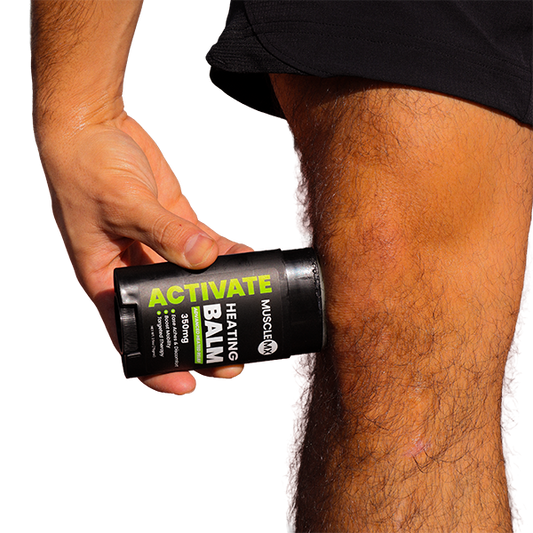
A warming formula you rub in before a workout to loosen up stiff, reluctant muscles so you actually start.


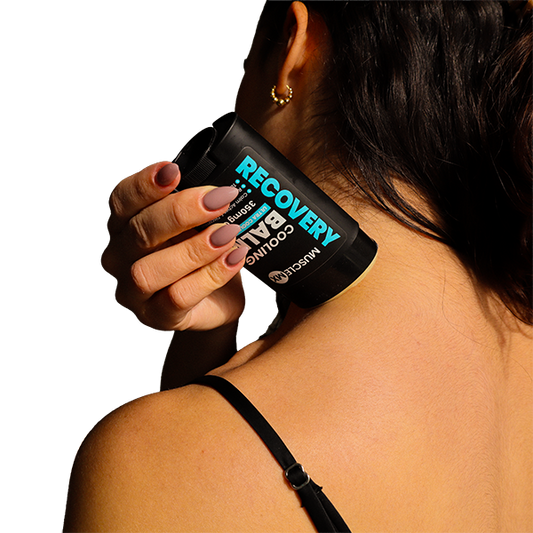
A cooling formula for that early after exercise window, so soreness does not snowball into skipping tomorrow.
The Cambridge paper also points to nutrition as the other half of the equation, noting that protein guidelines have not meaningfully changed in decades and tend to fall short of what supports muscle maintenance and recovery, especially for anyone training consistently. That shortfall gets far more consequential when appetite is suppressed, which is why protein and resistance training do most of the heavy lifting for anyone losing weight on a GLP-1 medication.

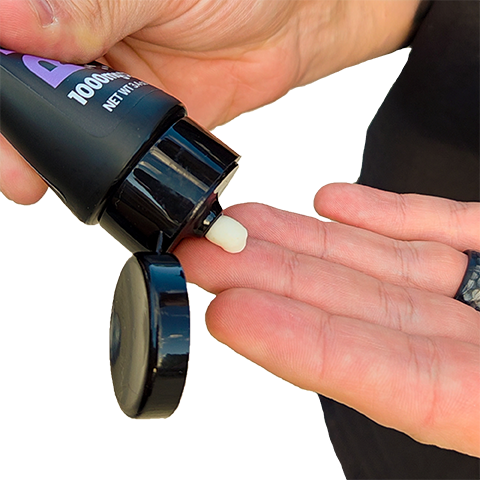
Supports muscle recovery and performance from the inside, alongside whatever protein you are already getting.
Frequently asked questions
Is being out of shape really worse for you than smoking?
According to the figures cited in the 2026 Cambridge paper, very low cardiovascular fitness is associated with about a 400 percent higher mortality risk compared with high fitness, well above the roughly 50 percent increase linked to smoking. These come from different studies using different methods, so it is not a true head to head comparison, but the gap is large enough that researchers are treating low fitness as a major, underrated risk on its own.
How much exercise do I actually need, if the guidelines are too low?
The paper does not hand down a single new number. Its argument is that current guidelines describe a floor, not a target, and that more vigorous activity produces outsized benefits. One cited analysis of over 70,000 adults found vigorous activity was linked to roughly four times the reduction in all-cause mortality risk compared with moderate activity.
Should I use heat or ice for sore muscles after a workout?
Both have research support. Heat works well before activity to loosen tight muscles, and applied within an hour after exercise, cold has been shown to meaningfully reduce soreness in the following 24 hours. Many people benefit from heat before and cold after.
How soon after exercise should I treat soreness?
The research is fairly consistent on this: the first hour after exercise is when heat or cold therapy has the strongest measured effect on reducing DOMS pain. Waiting until the next day, once soreness has fully set in, is less effective.
Is it too late to start exercising more if I have been sedentary for years?
No. The paper notes that even previously sedentary middle aged adults who took up high intensity training for two years reversed measurable signs of cardiac aging. Anyone returning from a long sedentary period should build up gradually and check with a doctor first, but the underlying message is that starting still matters.
Don't let sore muscles write you out of your next workout
Activate before, Recovery after. Built for the exact windows the research says matter most.
Shop the Duo →Backed by our standard return policy. Free shipping on qualifying orders.
This article references a 2026 perspective paper in Frontiers in Nutrition and a 2021 systematic review in Physical Therapy in Sport. It is for general information only and is not medical advice. Talk to a healthcare provider before changing your exercise routine, especially after a long sedentary period.