Daily Recovery Habits That Support Pain Relief
Key Takeaways
- Small, consistent habits often support pain relief better than extreme routines
- Gentle morning movement can help reduce stiffness and improve mobility
- Hydration, balanced meals, and movement breaks support muscle recovery
- Sleep, stress management, and pacing are important parts of recovery
- Topical support can be a practical addition to an at-home routine
Daily recovery habits that support pain relief can make a real difference when your body feels stiff, sore, or worn down. If you deal with ongoing discomfort, post-workout soreness, or everyday aches, you do not always need a complicated plan. Often, the most helpful approach is a simple routine you can actually stick with.
The goal is not to push through pain or expect overnight results. It is to support your body with steady, realistic habits that improve comfort, mobility, and recovery over time.
Why daily habits matter for pain relief
Pain and soreness are often influenced by more than one thing. Muscle tension, overuse, poor sleep, stress, dehydration, and long periods of sitting can all add up. That is why daily habits for pain relief matter so much. Small actions repeated consistently can help reduce strain on your body and support better recovery.
A recovery routine for chronic pain or sore muscles should feel manageable. You want habits that fit into real life, not a perfect routine that falls apart after two days. It also helps to understand the difference between treating pain and preventing it, because the two ask for very different habits.
Start with gentle morning movement
If you wake up feeling stiff, slow, or achy, a few minutes of movement can help your body feel more ready for the day. Gentle stretching, walking, or mobility work may improve circulation and reduce that locked-up feeling many people notice in the morning.
Focus on easy movements for your neck, shoulders, hips, back, and ankles. Keep it light and controlled. The goal is to wake your body up, not force a deep stretch.
If you want ideas for building a simple routine, this guide on how to build a morning stretch routine that actually works is a helpful next step.
Build a daily routine for muscle recovery
A daily routine for muscle recovery works best when it supports your body throughout the day, not just after exercise. Our full-day recovery routine broken into morning, afternoon and night shows how that looks hour by hour.
Hydrate and eat to support recovery
Hydration plays a bigger role in recovery than many people realize. When you are dehydrated, muscles can feel tighter and fatigue can hit harder. Drinking enough water during the day is one of the easiest natural pain relief habits to maintain.
Balanced meals matter too. Protein supports muscle repair, while fruits, vegetables, and healthy fats help support overall wellness. You do not need a perfect diet, but regular meals with nutrient-dense foods can make recovery feel more consistent.
Take short movement breaks
One of the most effective everyday habits to reduce body pain is simply changing positions more often. Sitting for long periods can increase stiffness in your back, hips, and shoulders, which is why it helps to understand how sitting all day vs standing all day impacts recovery. Standing, walking, or doing a few mobility drills every hour or two can help your body stay looser.
These at-home recovery habits for pain relief are especially useful if you work at a desk or spend a lot of time driving.
Use heat, cold, or topical support when needed
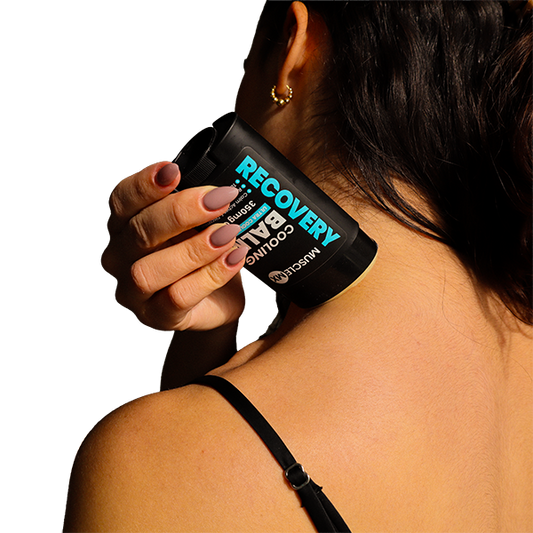
Heat may help relax tight muscles, while cold can feel useful after activity or when an area feels irritated. Some people also like to use topical products as part of their self-care habits for pain management.
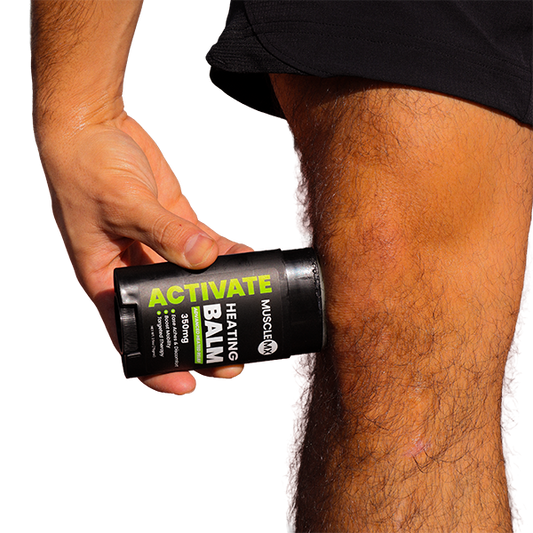
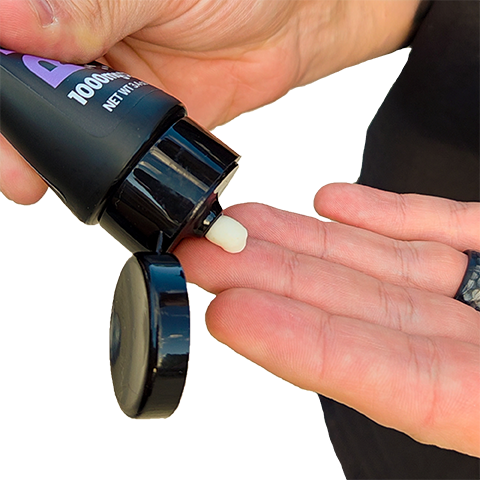
Keep a topical on hand for the moments when soreness shows up after workouts, long workdays, or physically demanding tasks, and if your schedule is the real obstacle, it is worth knowing which topical pain relief habits actually stick. It also helps to know that your skin is part of your recovery, because dry, damaged skin absorbs a topical far less effectively than hydrated skin does. Muscle MX offers topical recovery products that can fit naturally into a broader recovery routine, especially if you prefer practical, at-home support.
For more ideas, you can also read natural pain recovery solutions and how to get rid of muscle soreness.
Support joint comfort with simple self-care habits
Daily wellness habits for joint pain do not need to be extreme. In many cases, consistency matters more than intensity.
Low-impact movement like walking, light strength work, stretching, or mobility sessions can help support joint function and reduce the stiffness that comes from inactivity. If your pain is ongoing, pacing yourself is important. Doing too much on a good day can sometimes make the next day harder.
This is where healthy recovery habits for sore muscles and joints overlap. Gentle movement, supportive footwear, recovery time, and realistic activity levels all work together.
If you are trying to better understand your symptoms, it may also help to read about chronic vs acute pain and what pain management does.
Do not overlook sleep and stress
Two of the most overlooked pain relief recovery tips are better sleep and lower stress. Poor sleep can make discomfort feel more intense, while ongoing stress may increase muscle tension and make recovery harder. There is a clear mechanism behind how nighttime discomfort feeds stress and poor sleep.
Try keeping a regular bedtime, limiting screens late at night, and creating a wind-down routine that helps your body settle. Breathing exercises, light stretching, and quiet time can all support recovery.
If you are caring for an older adult or looking for age-specific guidance, elderly pain management may also be useful.
When to adjust your routine or seek help
Not all pain should be handled with home habits alone. If pain is severe, sudden, getting worse, or affecting your ability to move, work, or sleep, it is a good idea to check in with a qualified healthcare professional.
Daily habits can support pain relief, but they are not a replacement for medical care when something more serious is going on.
If you are building a simple recovery routine and want extra support, Muscle MX offers topical options that can fit naturally into your day. The best routine is the one you can repeat consistently, with habits that help you feel a little better over time.
FAQ's About Daily Recovery Habits
What are the best daily habits for pain relief?
Some of the most helpful daily habits for pain relief include gentle movement, hydration, balanced meals, regular stretch breaks, quality sleep, and stress management.
What is a good recovery routine for chronic pain?
A good recovery routine for chronic pain is simple and sustainable. It may include light mobility work, walking, pacing your activity, sleep support, and at-home recovery tools like heat or topical products.
Can natural pain relief habits really help?
Natural pain relief habits may help support comfort and recovery, especially when used consistently. They are often most effective as part of a broader plan that matches your needs.
How can you reduce sore muscles at home?
At-home recovery habits for pain relief can include hydration, light movement, stretching, rest, heat or cold therapy, and topical support when needed.
When should you see a doctor for body pain?
You should seek medical advice if pain is severe, sudden, persistent, worsening, or interfering with daily life, sleep, or movement.
Sources
National Institute of Arthritis and Musculoskeletal and Skin Diseases
Centers for Disease Control and Prevention pain management resources
Cleveland Clinic articles on muscle soreness and recovery
Mayo Clinic guidance on chronic pain and self-care
MedlinePlus resources on pain, exercise, and recovery