Why Does Cold Weather Make Stiffness Worse? 5 Reasons and 7 Fixes
Cold weather can make stiffness feel worse for five main reasons: your blood vessels narrow and send less warm blood to your muscles and joints, cold tissue becomes less flexible, the fluid that cushions your joints gets thicker, falling air pressure and damp air seem to make sensitive joints ache more, and most of us simply move less when it is cold out. None of these mean something new is wrong. They mean your body is protecting its core heat, and your muscles and joints pay a little for it. The good news is that each cause has a simple fix, and most take less than ten minutes a day.
In this article
- Why does cold weather make stiffness worse?
- Is it the cold, or the change in weather?
- Who feels cold-weather stiffness the most?
- How do I stop feeling stiff when it's cold?
- Should I use heat or cold for winter stiffness?
- FAQ
Why does cold weather make stiffness worse? 5 reasons
1. Your body pulls warm blood away from your limbs
When the temperature drops, your body narrows the blood vessels near your skin and in your hands, feet, knees, and shoulders. This is called vasoconstriction, and its job is to keep your heart, lungs, and brain warm. The trade-off is that your muscles and joints get less warm blood, so they feel tighter and slower to get going.
2. Cold muscles and tendons are less flexible
Muscles, tendons, and the connective tissue around your joints are a bit like a rubber band. Warm, they stretch easily. Cold, they resist. That is why the first few minutes outside on a frosty morning, or the first few steps after sitting in a cold car, feel so much stiffer than the same movement in summer.
3. Joint fluid gets thicker
Your joints are lubricated by synovial fluid, which behaves a little like engine oil. Lab research shows it becomes more viscous (thicker) at lower temperatures, so joints may not glide as smoothly until you have moved enough to warm them up. This is one reason stiffness usually eases after 10 to 15 minutes of activity.
4. You tense up without noticing
Cold makes people hunch: shoulders up, arms in, jaw tight. Hold that posture on a winter walk or a long commute and your neck, upper back, and shoulders spend hours in a low-level clench. The stiffness you feel that evening is often this guarding, not the cold itself.
5. You move less in winter
Shorter days, darker evenings, and icy paths mean fewer walks and more time on the couch. Joints rely on movement to circulate their fluid and keep surrounding muscles supple, so a less active season almost always becomes a stiffer one.

Hunching against the cold keeps your neck and shoulders clenched for hours, which shows up as stiffness later in the day.
Is it the cold, or the change in weather?
Often it is both, and the weather change may matter more than the thermometer. The largest study on this, the University of Manchester's Cloudy with a Chance of Pain project, tracked more than 2,600 people with long-term pain through a smartphone app for over a year. Days that were humid, windy, and low in air pressure were linked with more pain, with the chance of a painful day roughly 20% higher than on an average day.
One leading theory is that when barometric pressure drops before a storm, the tissues around a joint expand very slightly. In a healthy joint you would never notice. In a joint that is already sensitive, that small change can be enough to register as an ache or tightness.
| Weather factor | What it does to your body | Best counter-move |
|---|---|---|
| Low temperature | Less blood flow, tighter muscles, thicker joint fluid | Layer up and warm up before moving |
| Falling air pressure | Tissues around sensitive joints may expand slightly | Gentle movement and targeted warmth |
| High humidity and wind | Linked with higher pain reports in research | Windproof outer layer, keep joints covered |
| Short, dark days | Less activity, more sitting | Indoor movement snacks every hour |
Who feels cold-weather stiffness the most?
Anyone can feel stiffer in winter, but some people notice it far more:
- People over 40, as cartilage and connective tissue naturally lose some elasticity with age.
- Anyone with an old injury, such as a sprained ankle, a repaired knee, or a long-standing sore shoulder.
- Desk workers and drivers, who already spend long stretches in one position.
- Outdoor workers and winter athletes, who load cold muscles hard without a proper warm-up.
- People with existing joint conditions, who often report that weather changes are a reliable trigger.
How do I stop feeling stiff when it's cold? 7 fixes
1. Warm up before you head out
Five minutes of marching on the spot, arm circles, and hip swings indoors raises tissue temperature before the cold hits. Research on warming your muscles before you move shows warmer tissue is more flexible and better prepared for load, which is exactly what you want on a winter morning.
2. Layer for your joints, not just your core
Knees, wrists, and the back of the neck lose heat fast. Thermal leggings under trousers, a scarf, and gloves make a noticeable difference to how you feel an hour later.
3. Take "movement snacks" every hour
Stand up, roll your shoulders, do ten sit-to-stands, and walk to refill your water. Two minutes per hour keeps joint fluid moving and stops stiffness from settling in during long indoor days.
4. Start the day with a short stretch routine
Morning stiffness is often worst in winter because you have been still all night in a cooler room. A gentle five-minute stretch routine (cat-cow, knee-to-chest, neck rolls, calf stretches) before you get dressed loosens things up for the day.

Five minutes of gentle stretching before you get dressed makes the first cold steps of the day far easier.
5. Use targeted warmth on stiff spots
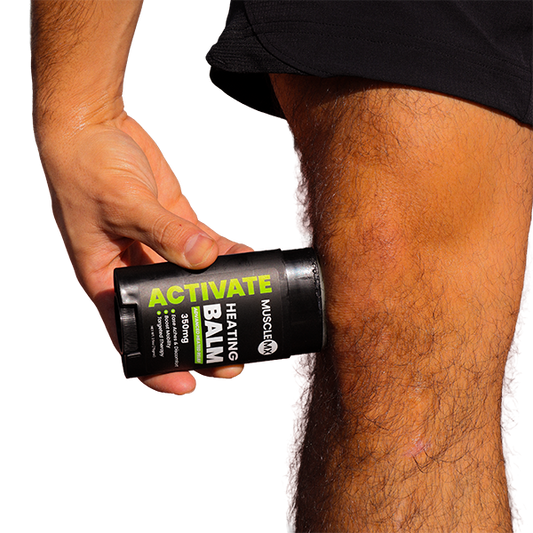
A warm shower, a heat pack, or a warming balm brings comfort straight to the area that feels tight. Warmth before activity and after long periods of sitting works especially well for knees, lower back, neck, and hands.

A deep warming sensation for stiff necks, backs, and knees. Twist up, glide on, no mess, and get moving.
6. Keep your skin hydrated
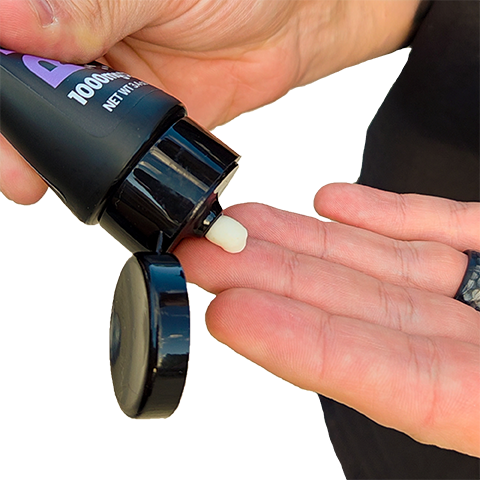
Cold air and indoor heating dry out skin, especially on hands and knees. Tight, cracked skin over a joint makes movement feel even more restricted, which is why dry skin can slow your recovery. A daily lotion massaged into the area adds hydration and gives you a reason to spend a minute working the tissue.

A 4-in-1 lotion that hydrates, repairs, and protects dry winter skin on hands, knees, and everywhere life happens.
7. Protect your sleep
A cold bedroom and a restless night are a reliable recipe for a stiff morning. Keep an extra blanket over your legs, wear socks, and consider a warm shower before bed so your muscles start the night relaxed. Poor sleep also lowers your tolerance for aches, so breaking the pain and sleep loop pays off all day.
Should I use heat or cold for winter stiffness?
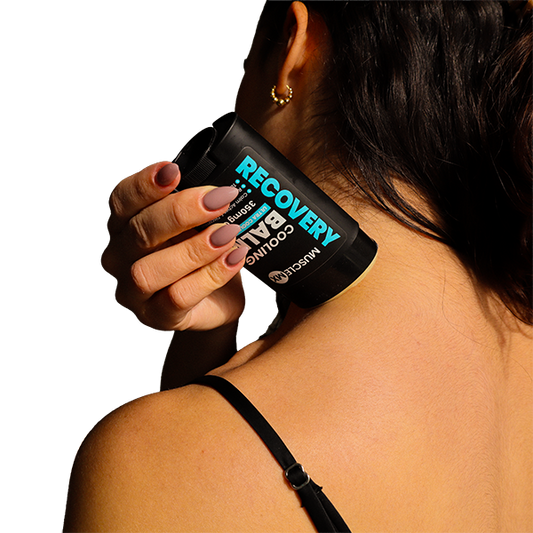
For general stiffness, heat is usually the better choice. Warmth encourages blood flow and helps tissue feel looser, which directly counters what the cold is doing. Save cooling for after a hard workout or when an area feels hot, puffy, or freshly strained. A simple rule: heat to get moving, cool to calm down.

If stiffness lasts more than an hour every morning, comes with swelling, redness, or warmth in a joint, or keeps getting worse regardless of the weather, see a doctor or physical therapist. Weather can turn up the volume on stiffness, but it should not be the whole story.
Frequently asked questions
Can cold weather really make your joints hurt?
Yes. Cold reduces blood flow to your limbs, makes muscles and tendons less flexible, and thickens joint fluid. Large studies also link humid, windy, low-pressure days with higher pain reports, so the effect people feel is real, not imagined.
Why am I stiffer in the morning in winter?
You have been still for hours in a cooler room, so joint fluid has not been circulating and your muscles have cooled. Gentle movement and warmth for 5 to 15 minutes after waking usually loosen things up.
Does barometric pressure affect stiffness?
It appears to. When air pressure drops, tissues around a joint may expand slightly, which sensitive or previously injured joints can register as tightness or aching. Research ties low-pressure days to more pain, although scientists are still pinning down the exact mechanism.
What temperature makes joints stiff?
There is no single number. Many people notice it once temperatures fall below about 50°F (10°C), but sudden drops and damp, windy weather often matter more than the exact reading.
Does moving somewhere warmer fix weather-related stiffness?
Not always. Warmer climates still have pressure and humidity swings, and staying active matters more than location. Most people get better results from warming up, layering, and moving regularly than from relocating.
Don't let winter slow you down
Keep Activate by the door for a warming boost before every cold-weather walk, workout, or commute.
Get Activate Heated Balm →Stocking up for winter? Buy 3, get 1 free on Activate.