How Poor Physical Health May Affect Your Social Health: The Hidden Connection
Key Takeaways
Understanding the hidden connection between physical and social health empowers you to break the isolation cycle and maintain meaningful relationships despite health challenges.
- Poor physical health creates a vicious cycle: chronic conditions lead to social isolation, which worsens physical symptoms and increases depression risk by 40%.
- Physical barriers like mobility limitations, energy constraints, and transportation challenges systematically disconnect you from social activities and relationships.
- Social isolation from health issues increases inflammation levels equivalent to physical inactivity and raises premature death risk by 50%.
- Breaking the cycle requires adapting activities to your limitations, using technology for connection, and seeking professional support when needed.
- Small steps matter: joining virtual support groups, timing social activities around energy levels, or exploring symptom management tools can restore social connections.
The relationship between your body and social world is bidirectional—improving either aspect strengthens both. Your social health deserves the same attention as your physical health, as both are essential for overall well-being and recovery.
Introduction
About 1 in 3 adults in the U.S. report feeling lonely — a statistic that might seem purely emotional at first glance. But have you ever noticed how a flare-up of chronic pain or a particularly difficult health week seems to coincide with feeling more disconnected from others? The relationship between your physical health and social connections runs much deeper than most people realize.
When your body isn't feeling its best, it creates ripple effects that extend far beyond physical discomfort. Chronic pain, mobility challenges, and ongoing health issues can quietly build walls between you and the relationships that matter most. What starts as missing a social gathering because you're not feeling well can gradually evolve into a pattern of isolation that affects your mental, emotional, and physical health.
Your social connections are fundamental to wellness, yet physical health struggles often pull us away from the very relationships we need during challenging times. The good news? Understanding this hidden relationship is the first step toward breaking the cycle.
We'll explore how physical health challenges can impact your social world and share practical strategies to help maintain meaningful connections. Whether it's adapting activities to work within your limitations or exploring supportive tools like CBD balm for symptom management, there are ways to nurture both your physical health and social well-being together.
Understanding the Link Between Physical and Social Health
What Is Social Health?
Social health represents the adequate quantity and quality of relationships in your life that meet your need for meaningful human connection. This dimension of wellness goes beyond simply having people around you. It's about the size and diversity of your social network, the functions these relationships serve, and whether they bring positive or negative energy to your life.
Quality matters as much as quantity, if not more. While the absence of high-quality relationships negatively impacts your well-being, the presence of low-quality, taxing social ties can be equally harmful. Think of social health as your relationship portfolio — it's not just about how many connections you have, but how those connections serve your fundamental need for belonging.
Your social health functions as an individual attribute, similar to mental and physical health, yet it's strongly influenced by your external environment. What constitutes meaningful connection varies from person to person and shifts throughout your life. The college friend who provided support during your twenties might serve a different role in your forties, and that's perfectly normal.
How Physical Health Influences Social Connection
Your body and social world are connected through multiple pathways that might surprise you. One primary mechanism involves your stress physiology. When you experience loneliness or social isolation, your body responds with increased activation of stress systems, including elevated blood pressure and alterations in cortisol activity. This persistent physiological stress contributes to long-term illnesses, creating a pathway through which poor social connection impacts your physical health.
Your immune system provides another critical link. Loneliness and social isolation are associated with elevated inflammation. One study found that social isolation increased the odds of having elevated inflammation to the same degree as physical inactivity. Higher levels of social connectedness, in contrast, were associated with as much as a 40% lower risk of elevated inflammation across the lifespan.
The stakes are substantial. People with stronger social connections were 50% less likely to die prematurely than those with weaker connections. This effect was greater than the impact of smoking, physical inactivity, excessive drinking, and air pollution. Loneliness and social isolation are associated with a 51% increased risk for heart disease and a 32% increase for stroke. Socially isolated people were more than twice as likely to develop hypertension, even greater than the risk of diabetes.
The Bidirectional Relationship Explained
The relationship between physical and social health flows in both directions, creating what researchers call a mutually reinforcing cycle. Physical inactivity and loneliness are both associated with health risks and can affect each other through various social and behavioral mechanisms. Research shows a bidirectional predictive relationship between physical exercise and social self-efficacy, suggesting a mutually reinforcing dynamic cycle between these variables.
When your physical health declines, it can directly impair your social functioning. Major depressive disorder, for instance, tends to strain social relationships over time. Proinflammatory cytokines, which are hyperactivated in depressive disorders, have been causally linked to increased social withdrawal. Rather than viewing social relationships exclusively as predictors of other health outcomes, social health should be examined as a core health outcome in its own right.
Physical activity creates opportunities for social interaction, which further improves overall health and happiness. Studies consistently show that participating in social activities goes hand-in-hand with staying physically active. This creates a cycle where staying active helps you stay connected, though the relationship between social isolation and exercise varies depending on where and how it's measured.
Understanding these connections is important because it shows that improving either your physical or social health can benefit the other. Let's explore how specific physical health conditions can impact your ability to maintain social connections.
When Health Conditions Create Social Barriers
Different health challenges create their own unique obstacles to staying connected with others. Understanding these specific barriers can help you recognize patterns in your own experience and find targeted solutions.
The Impact of Chronic Disease Diagnosis
A chronic disease diagnosis often becomes a turning point that changes how people relate to the world around them. Research shows that 63% of patients reported deeper loneliness after receiving their diagnosis. This isn't just an initial adjustment period — the effects tend to deepen over time.
The numbers tell a striking story. About 81% of people with chronic conditions say their illness makes loneliness worse, while 73% find that loneliness interferes with their daily activities and ability to care for themselves. Among older adults, the situation becomes even more concerning, with studies showing that 34.5% of elderly chronic disease patients experience social isolation. Some populations see rates as high as 41.2%.
Why does this happen? Symptom distress affects far more than just physical health — it limits your ability to participate in activities you once enjoyed, like exercising with friends or attending community events. The practical challenges can be overwhelming. People with diabetes, for example, often avoid social gatherings because of dietary restrictions or the need to keep insulin refrigerated, especially during summer months.
Certain conditions create additional communication barriers. Patients recovering from stroke describe difficulty speaking clearly and forgetting words mid-conversation, leading them to withdraw from social interactions entirely.
How Mobility Changes Affect Social Life
Walking difficulties and reduced mobility significantly limit social participation in ways that might not be immediately obvious. Fear of falling stands out as one of the strongest predictors of social withdrawal. Many older adults worry specifically about navigating uneven surfaces, slopes, and stairs — concerns that make social venues feel inaccessible.
The statistics reveal how widespread these challenges are. Among young people with physical disabilities, 75% experience difficulties in social situations, with 37% facing severe challenges compared to just 3% of their peers without disabilities. Mobility restrictions explained 28.4% of the variation in social participation, with visiting family and friends being the most challenging activity for adults with mobility impairments.
Transportation becomes a major obstacle when you can no longer drive due to declining physical health, particularly in areas with limited public transit options.
Mental Health and Social Connection
Mental health conditions create their own set of social challenges. People with psychiatric conditions often face stigmatization, feeling excluded from society and struggling to maintain relationships. The isolation can worsen symptoms, creating a cycle where mental health issues increase social isolation, which then worsens psychiatric symptoms.
Anxiety and loneliness feed off each other, each condition making the other more intense. The stigma extends beyond external judgment — many people feel different from others, with visible symptoms or physical changes making them reluctant to be seen in social situations. One person with Parkinson's disease shared how visiting friends became impossible after experiencing hurtful comments about lost abilities and people's fear of contact, leading to complete social avoidance.
The Chronic Pain-Isolation Connection
Chronic pain creates a particularly complex relationship with social connection. Lower social connectedness is associated with higher pain ratings, especially when anxiety is involved. The relationship works both ways — pain increases feelings of isolation, while isolation makes pain-related disability and intensity worse.
Social isolation can predict how much pain will interfere with your daily, social, and work-related tasks. Young women with chronic pain report significantly worse outcomes in friendships, more social isolation, and less satisfaction with social roles compared to those without chronic pain. This shows how pain doesn't just affect your body — it ripples out to touch every aspect of your social life.
How Physical Health Challenges Can Pull You Away From Others
Physical health struggles don't just affect how you feel — they create real, concrete barriers that can gradually distance you from the social connections you value most. Understanding how this happens can help you recognize these patterns and take steps to address them.
When Spaces Aren't Built for Everyone
Simple things like steps at a restaurant entrance or narrow bathroom doors can suddenly transform a regular social outing into an impossible challenge. Inaccessible public transport infrastructure creates significant hurdles, while long walking distances, irregular surfaces, and steep pathways become frequent barriers to getting where you want to go.
Even healthcare settings can present obstacles — mammography equipment that requires standing, weight scales that don't accommodate wheelchairs, or facilities without proper ramps or elevators. These aren't just inconveniences; they're barriers that can make you feel excluded from spaces others take for granted.
The challenge becomes even more personal when friends' homes lack accessibility features. Teenagers with physical disabilities often stop receiving social invitations, partly because peers don't think about whether spaces are accessible. Even when locations are technically accessible, you might need assistance that makes spontaneous social interaction feel impossible.
When Your Energy Has Limits
Your body's energy reserves directly determine how much you can participate socially. Research shows that even engaging in social behavior can predict higher fatigue two to three hours later, despite initially boosting mood. If you're living with conditions like ME/CFS, you might find yourself carefully rationing energy, often limiting social and family interactions to maintain work schedules.
This creates difficult choices. Moderately affected individuals often face trade-offs between keeping a job and maintaining social connections, while those more severely affected may become wheelchair-dependent or house-bound for extended periods. About 15% of people with chronic illnesses lose more than 50% of work days in a month due to their condition, and pain and fatigue consistently emerge as barriers to activities you once enjoyed.
The Weight of Others' Judgments
Fear of judgment creates powerful psychological walls around social engagement. Studies reveal that 52% of women worry about being judged while exercising, with over 40% feeling such strong embarrassment or intimidation that they think starting seems unlikely. You might worry that others are evaluating your weight, fitness level, or appearance, which can lower self-esteem and prevent you from participating in activities.
When you're already dealing with health challenges, this fear of judgment can feel overwhelming. Withdrawal from social interactions becomes a common response to stigma, leading to a cycle of isolation, depression, and anxiety. Chronic pain patients often face social disapproval when others perceive them as not coping well, creating shame that prevents them from seeking the care they need.
Getting There Is Half the Battle
Transportation barriers can turn social participation from challenging to impossible. Millions of people with mobility disabilities remain transportation disadvantaged, unable to leave their homes due to insufficient accessible ground transportation options. Physical barriers during travel — lack of ramps, long waiting times, missing information at stops, and negative driver attitudes — compound these challenges.
Rural areas present additional obstacles like inadequate sidewalks, limited public transit, and greater distances to travel. It's no wonder that disabled Americans experience loneliness at over four times the rate of non-disabled individuals, with transportation barriers playing a significant role. When ramps don't work, deployment angles are too steep, or drivers make false claims about equipment functionality, these challenges become even more frustrating.
When Money Becomes a Factor
Economic pressures can quietly limit your social participation options. Between 35% and 50% of people with chronic illnesses struggle to secure basic necessities and maintain social integration due to financial strain. About 38.6% report at least one unmet basic need — like food, shelter, or clothing — partly due to the burden of chronic illness.
Healthcare costs force difficult decisions. You might prioritize medical expenses over social activities, with most people making healthcare their priority at the expense of other needs. Approximately 12% of caregivers seek additional income sources to manage family needs related to illness, while over 40% of adults dealing with healthcare debt find that cost becomes a constant consideration in their daily experience.
Remember, recognizing these barriers is not about accepting them as permanent — it's about understanding what you're working with so you can find ways around them.
The Emotional Toll: When Physical Challenges Affect Your Inner World
Social disconnection doesn't just leave you feeling lonely — it creates a cascade of psychological consequences that can be just as challenging as the physical symptoms themselves. When your body forces you to step back from the social activities and relationships that once brought joy and meaning, your mental and emotional well-being take a measurable hit.
Depression and Loneliness: A Vicious Cycle
The relationship between loneliness and depression operates like a feedback loop, each condition feeding into the other. Over 80% of participants in one study reported experiencing some degree of loneliness. The numbers paint a stark picture: individuals who reported being "Always" lonely had a predicted probability of depression at 50.2% compared to just 9.7% for those who "Never" felt lonely. That's a striking 40.5 percentage point difference.
Lonely individuals face a 15-30% higher risk of developing depressive disorders. The impact shows up in daily life too. Those experiencing constant loneliness reported an average of 20 poor mental health days per month, compared to 9.4 days among those who never felt lonely. Women consistently showed higher likelihood of depression across all loneliness levels, with the largest disparity showing a 12.9 percentage point higher predicted probability among those always lonely.
When Social Anxiety Takes Hold
Social anxiety doesn't just make you nervous at parties — it interferes with work, school, relationships, and your ability to enjoy life. Left untreated, it can cause low self-esteem, trouble being assertive, negative self-talk, and hypersensitivity to criticism. Many people with social anxiety also experience depression, generalized anxiety disorder, or panic disorder. The condition creates overwhelming feelings that can prevent everyday activities like going to stores or talking to others.
Losing Your Sense of Self
Chronic illness can shake the very foundation of who you are. Chronically ill persons often suffer from a fundamental loss of self as their former self-images crumble without equally valued new ones developing. The result? Restricted lives, social isolation, feeling discredited, and the weight of burdening others.
Having a sense of purpose is fundamental to both psychological and physical well-being, yet levels naturally decline from middle into older adulthood. When illness strips away activities and roles that once defined you, lacking this sense of purpose contributes to depression.
The Quiet Erosion of Self-Worth
Chronic illness has a way of quietly eroding self-worth. You might find yourself questioning your value when you're unable to contribute in the ways you once did. Guilt about requiring assistance and shame about feeling like a burden are common emotional experiences that many people face. Physical limitations prevent participation in once-valued activities, leading to feelings of inadequacy and frustration that can be just as difficult to manage as the physical symptoms themselves.
Remember, these emotional responses are normal reactions to challenging circumstances. Acknowledging them is an important step toward addressing both your physical and emotional well-being.
Breaking the Cycle: Practical Ways to Stay Connected
Rebuilding social connections doesn't mean ignoring your physical limitations — it means working with them. Let's explore strategies that can help you maintain meaningful relationships while honoring what your body needs.
Adapting Activities to Your Energy and Abilities
Many venues now offer wheelchair-accessible options that make participation possible in events you might have written off. Chair yoga, adapted sports, and seated versions of various activities provide alternatives that work within physical constraints.
Timing is everything when it comes to social engagement. Schedule activities during your best hours rather than forcing yourself through fatigue. Senior centers often provide built-in accessibility features with transportation services, making social participation easier.
Building Your Support Network
Support groups connect you with people who truly understand your experience. These groups provide both emotional validation and practical guidance from others walking similar paths. Many virtual support groups, facilitated by licensed mental health professionals, serve various chronic illness communities at no cost.
Remember, your healthcare team can be part of your support network too. Building open communication with your providers creates another layer of connection and advocacy.
Using Technology to Bridge Physical Gaps
Video calling keeps face-to-face interaction alive without requiring you to leave home. Virtual platforms like e-Buddies create opportunities for both one-on-one friendships and group connections through monthly events — think trivia nights, movie screenings, and exercise classes from your living room. Social media, when used mindfully, can eliminate many barriers that in-person interactions create.
Community Resources That Come to You
CDC-recommended programs include exercise classes designed for specific conditions, phone-based companionship services, and peer-delivered support groups. Area Agencies on Aging can connect you with local resources you might not know existed.
Supporting Your Body to Support Your Social Life
When physical symptoms interfere with social participation, addressing them directly can make a difference. Topical CBD shows promise for pain management — one study found that 93% of participants reported improvement in social activities after using CBD balm twice daily. Pain reduction often translates directly into greater ability to engage socially.
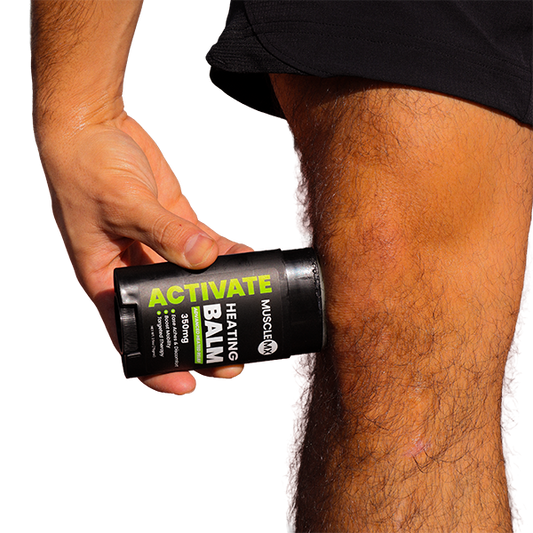
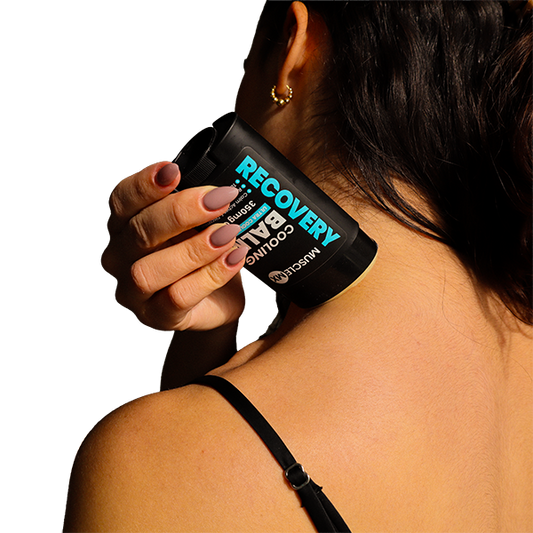
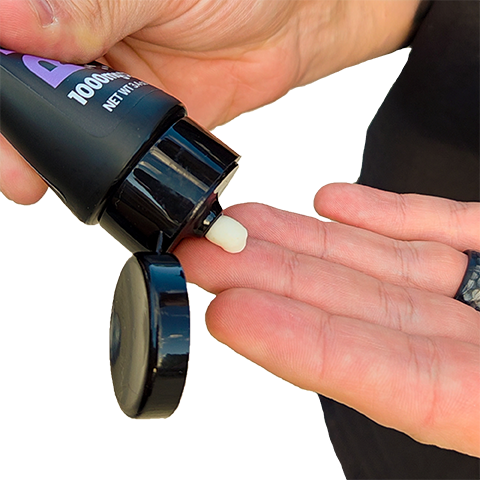
At Muscle MX, our CBD balms are designed to support your wellness journey. By working with your body's natural systems, they may help manage discomfort that keeps you from the activities and connections you value.
Professional Support When You Need It
Therapy provides tools to manage both the emotional challenges of health issues and the practical aspects of maintaining relationships. Cognitive behavioral therapy has shown particular effectiveness in addressing loneliness. Sometimes having a professional guide can make all the difference in developing strategies that work for your specific situation.
Final Thoughts
Your physical health and social connections work together in ways that can either support or challenge your overall well-being. While chronic conditions, discomfort, and mobility challenges create genuine obstacles to social participation, they don't have to disconnect you from the relationships that matter most.
Remember, small steps can make a meaningful difference. Start with one approach that feels manageable within your current situation. Maybe it's scheduling a video call during your best energy hours, exploring a seated version of an activity you used to enjoy, or finding ways to manage symptoms that interfere with social engagement.
Tools like CBD balm can support your efforts by helping address discomfort that might otherwise keep you from participating in social activities. When symptoms are better managed, it becomes easier to maintain the connections that support both your physical and emotional health.
Your wellness journey is uniquely yours, and finding the right balance between caring for your physical health and nurturing social connections takes time. What matters most is that you don't have to choose between the two. With the right strategies and support, you can address physical health challenges while staying connected to the people and activities that bring meaning to your life.
We invite you to explore options that work within your limitations rather than against them. Your social health deserves the same attention and care as your physical health — because when both are supported, your overall well-being can thrive.
FAQ's About How Poor Physical Health May Affect Your Social Health
Q: How do chronic health conditions impact your ability to maintain social relationships?
A: Chronic health conditions like diabetes, heart disease, and chronic fatigue can significantly reduce social interactions and lead to increased isolation. These conditions create physical barriers, energy limitations, and emotional challenges that make it harder to participate in social activities, ultimately affecting your overall quality of life and sense of connection with others.
Q: Can lack of social connection actually harm your physical health?
A: Yes, social disconnection poses serious physical health risks. It's associated with increased risk of cardiovascular disease, stroke, dementia, depression, and premature death. The mortality impact of being socially isolated is comparable to smoking up to 15 cigarettes daily and even exceeds the risks associated with obesity and physical inactivity.
Q: Does staying physically active help improve your social life?
A: Physical activity creates natural opportunities for social interaction, which enhances both overall health and happiness. Research consistently shows that participating in social activities goes hand-in-hand with staying physically active, creating a positive cycle where being active helps you stay connected to others.
Q: What health problems can result from poor physical health and inactivity?
A: Poor nutrition and physical inactivity significantly increase your risk of developing chronic conditions including obesity, depression, type 2 diabetes, heart disease, and certain cancers. These conditions can lead to disability, reduced quality of life, and premature death if left unmanaged.
Q: How does chronic pain specifically affect social participation?
A: Chronic pain creates a bidirectional relationship with social isolation—pain increases feelings of loneliness while isolation worsens pain intensity and disability. People experiencing chronic pain often withdraw from social activities, and this reduced social connectedness is associated with higher pain ratings, particularly when mediated by anxiety.
References
https://www.thesocialcreatures.org/thecreaturetimes/social-connection-physical-health
https://academic.oup.com/aje/article/193/7/996/7601692
https://stories.tamu.edu/news/2026/01/21/stronger-together-how-social-connections-and-physical-activity-team-up-to-boost-older-adults-health/
https://www.ajmc.com/view/loneliness-poses-a-clinical-risk-for-patients-with-chronic-illness
https://pubmed.ncbi.nlm.nih.gov/2971469/
https://onlinelibrary.wiley.com/doi/full/10.1002/jey2.12013
https://www.nmcd-journal.com/article/S0939-4753(25)00169-3/fulltext
https://journals.lww.com/painrpts/fulltext/2024/04000/social_health_in_young_women_with_chronic_pain.18.aspx
https://www.nationaldisabilityinstitute.org/blog/the-social-impact-of-my-physical-disability/