Lipedema Treatment: What Actually Works Based on Medical Evidence
Key Takeaways
Understanding effective lipedema treatment can transform your quality of life, as this condition affects up to 12% of women worldwide yet remains widely misunderstood. Here are the evidence-based approaches that actually work:
- Conservative treatments form the foundation: Manual lymphatic drainage, compression therapy, and water-based exercises significantly reduce pain and improve function in early-stage lipedema.
- Specialized liposuction offers the most dramatic results: Studies show pain scores drop from 7.8 to 2.2 post-surgery, with over 70% of patients experiencing substantial improvements.
- Home care supports but doesn't replace professional treatment: Daily skin care, gentle self-massage, and leg elevation help manage symptoms, but conservative methods only achieve 5-10% volume reduction.
- Early intervention prevents progression: Working with knowledgeable healthcare providers and starting treatment before Stage 3 leads to better long-term outcomes and quality of life.
- Diet alone won't reduce lipedema tissue: Unlike regular fat, lipedema tissue resists caloric restriction, making anti-inflammatory approaches more effective than weight loss diets.
The key to successful lipedema management lies in combining multiple evidence-based approaches rather than relying on any single treatment method.
Introduction
Lipedema treatment can feel like an uphill battle, especially when you're dealing with a condition that affects up to 12% of women worldwide yet remains widely misunderstood by many healthcare providers. Have you ever felt frustrated by the lack of clear answers or effective solutions? You're not alone, and there's hope.
The reality is that evidence-based treatments do exist, and understanding your options is the first step toward finding relief. Knowledge is power when it comes to advocating for your health and getting the care you deserve.
Let's learn more about what actually works for treating lipedema. We'll explore how this condition is properly diagnosed, conservative treatment options like compression therapy and targeted exercises, advanced approaches including specialized liposuction, and practical strategies you can use at home. Whether you're just beginning to understand your symptoms or you're ready to explore more intensive treatment options, this guide will help you make informed decisions based on solid medical evidence.
How Is Lipedema Diagnosed?
Clinical Examination and Physical Signs
Getting a proper lipedema diagnosis can be tricky. There are no standard tests or protocols that doctors can rely on, which means healthcare providers must piece together clues from physical examination combined with your personal and family history. Approximately 15% of people with lipedema have a family member with the condition, making family history an important piece of the diagnostic puzzle.
The diagnostic process starts with what your doctor can see. During a visual examination, they're looking for bilateral, symmetrical fat accumulation in your legs, buttocks, hips, or arms. What makes lipedema stand out is the noticeable difference between your upper and lower body proportions. One telltale sign that helps distinguish lipedema from other conditions is how it affects your extremities — your feet and hands remain unaffected, creating a distinct "cuff" appearance at your ankles and wrists.
The way your tissue feels provides crucial diagnostic information. When your doctor presses on the affected areas, the tissue typically feels soft and doughy in early stages, though it may become firmer as the condition progresses. You might notice small nodules beneath your skin that feel like rice, peas, or even walnuts. Some areas may develop fibrotic tissue that feels dense, almost cement-like, or stringy. Here's what sets lipedema apart from regular body fat — the affected areas are often tender and painful when pressure is applied.
Your doctor may perform something called the Stemmer sign test to help tell the difference between lipedema and lymphedema. They'll try to pinch the skin on top of your second toe (or finger). If they can create a fold, the test is negative, suggesting lipedema rather than lymphedema. When skin can't be pinched at all, it usually indicates lymphedema instead.
Diagnostic Tests to Rule Out Other Conditions
While diagnosing lipedema relies mainly on physical examination, imaging studies play an important role in ruling out other conditions. MRI typically shows circumferentially increased subcutaneous fat throughout both lower extremities without any skin abnormalities in lipedema patients. Your healthcare provider might also order ultrasound, DEXA scans, CT imaging, or lymphoscintigraphy to exclude lymphedema, venous disease, or other systemic conditions affecting your heart or kidneys.
Understanding Lipedema Stages and Types
Lipedema progresses through three distinct stages, each with different tissue characteristics. Stage 1 presents with smooth skin, but you can feel nodules underneath when you press on the area. Stage 2 shows bumpy, uneven skin surfaces with visible indentations that you can see. Stage 3 involves significant tissue hardening, large fat masses, and limitations in how well you can move around. Remember that this staging system focuses on how the tissue looks and feels, but it doesn't account for how much pain you're experiencing, how it affects your mobility, or its impact on your quality of life.
Healthcare providers also classify lipedema into five types based on which areas of your body are affected. Type I affects your pelvis, buttocks, and hips. Type II extends from your buttocks down to your knees. Type III spans from your buttocks all the way to your ankles. Type IV involves your arms. Type V affects your lower legs.
Conservative Treatment Options That Don't Require Surgery
Conservative treatments form the backbone of lipedema management, focusing on symptom relief and helping you maintain your quality of life. These approaches include lifestyle adjustments, mechanical support, and therapeutic techniques that you can work into your daily routine.
Remember, conservative treatments work best when you start them early and use them consistently. Let's explore what the research tells us about each option.
Manual Lymphatic Drainage and Massage Therapy
Manual Lymphatic Drainage is a specialized technique that uses gentle, rhythmic strokes to follow your lymphatic system's natural pathways and encourage fluid movement. Think of it as helping your body's drainage system work more efficiently.
A 2022 proof-of-principle study delivered encouraging results — patients with early-stage lipedema experienced clinically significant improvements in both pain levels and daily function after nine 60-minute therapy sessions spread over 6 weeks. These sessions weren't just massage; they included hands-on manual therapy, personalized exercise guidance, education about the condition, and assessment of compression needs.
What's particularly interesting is that after therapy, sodium levels in the skin and underlying tissue had decreased, which indicates reduced inflammation in the treated areas. This gives us scientific evidence that the treatment is actually working at a cellular level.
Certified Lymphedema Therapists (CLTs) provide this specialized care. These professionals include physical therapists, occupational therapists, and licensed massage therapists who have completed additional training specifically for lipedema.
Compression Therapy for Your Legs
Recent studies consistently support compression as an effective non-surgical treatment approach. Both compression garments and pneumatic compression devices can improve your quality of life and potentially change your body composition.
One particularly compelling study compared pneumatic compression devices combined with conservative care against conservative care alone. Both groups saw improvements in leg measurements and bioimpedance readings, but the device group showed greater improvement. Pain scores also improved more significantly in the pneumatic compression group.
The key with compression garments is getting the right fit for your specific needs. There are many types, sizes, and compression strengths available, and each of these factors affects how well the garment works to reduce inflammation, pain, and swelling. Working with a specialist helps ensure you get the most benefit.
Exercise and Movement That Actually Helps
Physical activity plays a crucial role in managing lipedema by improving how your cells function, supporting lymphatic drainage, and reducing inflammation. The best exercises for lipedema typically include walking, any type of water-based activity, Pilates, cycling, and yoga.
Water exercises deserve special mention here. The natural compression that water provides, combined with the low-impact nature of aquatic exercise, makes swimming and water aerobics particularly beneficial. These activities reduce strain on your joints and muscles while promoting better lymphatic flow.
Regular physical activity actually helps calm the inflammatory environment that exists in lipedema tissue. When you work your leg and calf muscles, you're actively promoting lymphatic drainage and improving blood flow, which can reduce or prevent fluid buildup.
What About Diet and Weight Management?
Nutrition research for lipedema is still developing, and there isn't strong evidence supporting any single dietary approach. Some approaches used in clinical practice include paleo, keto, low-carb high-fat, rare adipose disorder diets, and anti-inflammatory eating patterns.
Here's what's important to understand: lipedema tissue typically doesn't respond to caloric restriction the way regular fat tissue does. For this reason, most specialists suggest using diet to reduce overall inflammation and ease symptoms rather than focusing solely on weight loss. The Mediterranean diet has shown some promise, and approaches like intermeal fasting and various anti-inflammatory eating patterns have also been suggested.
Advanced Treatment Options for Lipedema
When conservative approaches aren't providing the relief you need, it may be time to explore more intensive treatment options. Understanding these advanced therapies can help you make informed decisions about your care.
Specialized Liposuction: What the Research Shows
Specialized liposuction stands out as the only treatment that actually removes abnormal lipedema tissue and can slow disease progression. The results speak for themselves — pain scores dropped dramatically from 7.8 before surgery to 2.2 afterward. Even more encouraging, over 70% of surgical patients experienced substantial improvements in both pain and quality of life, compared to only 10% in conservative treatment groups.
Tumescent, water-assisted, and power-assisted techniques show the most promise. Patients averaged 9,846 mL of fat removal per person, though it's important to note that approximately 51% still require some conservative therapy after surgery.
Complete Decongestive Therapy
Complete Decongestive Therapy takes a structured approach, combining manual lymphatic drainage, compression therapy, exercise, and skincare into one coordinated program. A randomized controlled trial found that CDT plus exercises provided superior improvements in limb volume reduction, pain relief, and physical function compared to pneumatic compression or exercise alone in severe lipedema patients.
Emerging Medications and Supplements
Research continues to explore new options. RZL-012 injections show promising results with 50% lipoma reduction and 70% pain reduction in preliminary trials. Pycnogenol supplementation at 50 mg three times daily significantly improved quality of life scores and body composition over 60 days. Diosmin also shows potential, as it reduces oxidative stress and functions as a lymphagogue.
When Surgery Becomes Medically Necessary
Surgery becomes medically necessary after three consecutive months of failed conservative management, when significant functional impairment exists, or when complications like recurrent infections develop. Your healthcare provider can help determine if you've reached this point in your treatment journey.
Home Care Strategies for Lipedema: What Actually Helps (And What Doesn't)
Home-based care can play a supportive role in your lipedema management plan, but it's important to understand what these strategies can and cannot do. Setting realistic expectations helps you make the most of these approaches while avoiding frustration.
Daily Skin Care That Makes a Difference
Taking care of your skin becomes even more important when you're dealing with lipedema. Daily skin hygiene helps prevent secondary infections, particularly cellulitis. Your routine should be simple but consistent: wash affected areas daily, apply a good moisturizer, and use antifungal agents between your toes.
Here's something many people don't realize — compression garments can actually stress your skin, causing dryness and small injuries that increase your infection risk. That's why choosing the right products matters. Medical washing lotions with neutral pH, followed by unscented moisturizers, help maintain your skin's protective barrier.
Pay special attention to skin folds where moisture tends to accumulate. These areas are prone to friction-related damage and fungal infections, so keeping them clean and dry is essential.
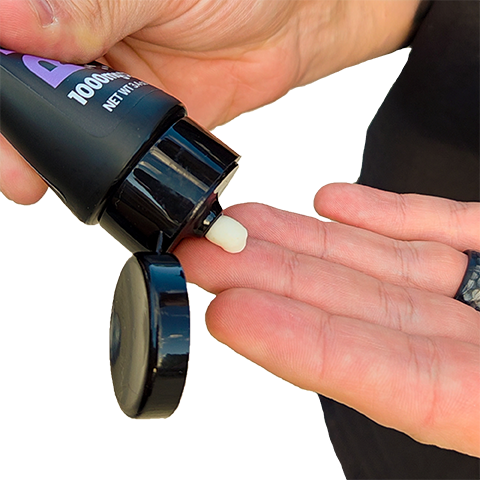
CBD Lotion and Cooling Balm for Lipedema Skin Care
Self-Massage: Simple Techniques You Can Learn
You can perform gentle self-massage for 5 to 10 minutes daily, but it's important to learn the proper technique from a certified therapist first. The key word here is gentle — use light pressure that stretches the skin naturally without causing pain.
Remember, aggressive pressure does more harm than good. It can irritate tissue and increase inflammation, which is the opposite of what you want. Self-massage can be particularly helpful after prolonged sitting or standing, or during hormonal shifts when symptoms tend to worsen.
Lifestyle Changes That Support Your Treatment
Small daily habits can make a meaningful difference in how you feel. Staying hydrated supports your lymphatic function — aim for 8 to 10 glasses of water daily.
Elevating your legs above heart level for 15 to 20 minutes once or twice daily can help reduce that heavy feeling many people with lipedema experience. Even simple deep breathing exercises for 3 to 5 minutes can support lymphatic movement and help regulate your nervous system.
What Doesn't Work: Setting Realistic Expectations
It's important to be honest about what home care can and cannot accomplish. Diet has very limited effect on reducing surplus weight in the lower extremities. Conservative management, including home strategies, typically produces only 5% to 10% volume reduction.
Even compression therapy, while helpful for associated swelling, has minimal effectiveness on the lipedema tissue itself. This doesn't mean these approaches aren't worth doing — they can certainly help with comfort and overall health — but they're not going to dramatically change your lipedema progression on their own.
Final Thoughts
Managing lipedema effectively comes down to finding the right combination of treatments that work for your specific situation and stage. Conservative approaches like compression therapy, manual lymphatic drainage, and targeted exercise can provide meaningful relief, while specialized liposuction becomes an important option when those methods aren't enough.
Remember, the best outcomes happen when you work with healthcare providers who truly understand this condition. That's not always easy to find, but it makes all the difference in getting the care you deserve.
Your wellness journey with lipedema is uniquely yours. Take what you've learned here and use it to advocate for yourself, ask the right questions, and find healthcare providers who listen. You now have the knowledge to make informed decisions about your treatment path, whether that's starting with conservative approaches or exploring more advanced options.
The most important step is taking action. Don't let lipedema control your life when evidence-based treatments can help you reclaim your comfort and mobility.
FAQ's About Lipedema
Q: What are the most effective treatments available for lipedema?
A: Conservative treatments like manual lymphatic drainage, compression therapy, and water-based exercises form the foundation of lipedema management and can significantly reduce pain and improve function. However, specialized tumescent liposuction is the most effective treatment for removing abnormal lipedema tissue, with studies showing pain scores dropping from 7.8 to 2.2 post-surgery and over 70% of patients experiencing substantial improvements in quality of life.
Q: Why is lipedema often misdiagnosed by doctors?
A: Lipedema remains widely misunderstood despite affecting up to 12% of women worldwide, with relatively few physicians aware of the condition. As a result, patients are frequently misdiagnosed with lifestyle-induced obesity or lymphedema, leading to unnecessary medical interventions and inappropriate treatment approaches. The lack of standard diagnostic protocols contributes to this challenge.
Q: Can diet and weight loss effectively reduce lipedema tissue?
A: Unlike regular body fat, lipedema tissue is resistant to caloric restriction and weight loss efforts. Diet alone has very limited effect on reducing the surplus fat in affected areas, which is why anti-inflammatory dietary approaches are more effective for managing symptoms rather than focusing solely on weight loss. Conservative management typically produces only 5-10% volume reduction.
Q: How is lipedema different from regular obesity or lymphedema?
A: Lipedema presents with bilateral, symmetrical fat accumulation that spares the hands and feet, creating a distinct "cuff" appearance at ankles and wrists. The affected tissue feels tender to touch and may contain palpable nodules, unlike regular fat. The Stemmer sign test helps differentiate it from lymphedema—if you can pinch the skin on top of the second toe, it suggests lipedema rather than lymphedema.
Q: What home care strategies actually help manage lipedema symptoms?
A: Daily skin care with moisturization, gentle self-massage for 5-10 minutes, staying well-hydrated with 8-10 glasses of water daily, and elevating legs above heart level for 15-20 minutes can help manage symptoms. However, these home-based strategies support rather than replace professional treatment, as conservative methods alone only achieve 5-10% volume reduction.
References
https://www.health.harvard.edu/diseases-and-conditions/lipedemas-invisible-toll
https://www.webmd.com/women/lipedema-symptoms-treatment-causes
https://torontophysiotherapy.ca/patient-guide-to-self-diagnosing-lipedema-and-lipo-lymphedema/
https://www.lipedema.org/diagnosing-lipedema
https://www.uptodate.com/contents/diagnosis-and-management-of-lipedema
https://my.clevelandclinic.org/health/diseases/17175-lipedema
https://www.lipedema.org/staging
https://lipedema.net/lipedemastages/
https://lipedema.net/lipedema-diagnosis/
https://lipoedema.co.uk/stages-types/
https://www.jobst-usa.com/living-with-your-condition/diagnoses/managing-lipedema/lipedema-and-exercise
https://www.lipedema.org/treating-lipedema
https://pubmed.ncbi.nlm.nih.gov/36519532/
https://pmc.ncbi.nlm.nih.gov/articles/PMC11522091/
https://www.lipedema.team/blog-posts/exercise-for-lipedema