DamAnkle Pain That Won't Go Away: What Your Body Is Really Telling You
Key Takeaways
Understanding persistent ankle pain patterns and taking early action can prevent minor issues from becoming chronic conditions that limit your daily activities.
- Chronic ankle pain lasting over 6 weeks often stems from incomplete healing, arthritis, overuse, or nerve issues rather than obvious injuries
- Pain patterns reveal causes: sudden onset suggests gout or infection, while morning stiffness indicates arthritis or inflammatory conditions
- Start treatment early with RICE method, NSAIDs, and physical therapy to prevent 74% risk of developing chronic ankle instability
- Conservative approaches including bracing, targeted exercises, and topical treatments like CBD balm effectively manage most persistent ankle pain
- Seek professional evaluation if pain persists beyond expected healing time, as early intervention prevents long-term mobility limitations
- The key to recovery lies in matching your specific pain pattern with appropriate treatment rather than waiting for symptoms to resolve independently.
Ankle pain that just won't quit — it's one of those frustrations that can make even walking to the kitchen feel like a challenge. You've been dealing with this nagging discomfort for days, maybe even weeks now, and you're probably wondering if it's ever going to get better.
Introduction
Here's something that might bring you some comfort: you're definitely not alone in this experience. Chronic ankle pain, which is defined as discomfort that hangs around for longer than six weeks, affects countless people every day. What's interesting is that this kind of persistent pain often comes from causes that go way beyond simple sprains or obvious injuries.
Maybe you're experiencing sudden ankle pain even though you can't remember twisting it. Or perhaps you're dealing with ongoing discomfort that's starting to affect your daily activities — from climbing stairs to just standing for extended periods. Whatever your specific situation, understanding what's really causing your ankle pain is the first step toward finding relief.
Let's learn more about the different causes of ankle pain, help you recognize the pattern your body might be showing you, and explore effective treatment options. From physical therapy and bracing to alternative approaches like CBD balm, we're here to guide you toward the relief you need to get back to living comfortably.

What's Really Behind Your Ankle Pain
Understanding your ankle pain starts with recognizing that it comes in two distinct forms. The type you're dealing with will determine the best path toward recovery.
Acute ankle injuries happen suddenly — think of that moment when you step off a curb wrong or twist your ankle during a sports game. These injuries typically come with immediate pain, swelling, and a clear memory of what caused the problem. You know exactly when and how it happened.
Chronic ankle conditions tell a different story. They develop gradually through wear and tear, structural problems, or underlying disease processes. If you're dealing with chronic ankle pain, you probably can't pinpoint one specific moment when everything started hurting. Instead, the discomfort seemed to creep up on you over time.
How Time Affects Your Ankle Pain
The timeline makes all the difference when it comes to classifying your ankle discomfort. Acute injuries show up immediately after trauma — you feel the pain right away. Chronic ankle pain, however, is pain that persists well beyond the expected healing period.
Here's something that might surprise you: research shows that up to 74% of people who sprain their ankle develop chronic ankle instability. Even more concerning, among those with chronic ankle instability, 60.1% reported ongoing ankle pain.
The pain itself can vary greatly from person to person. Some people experience severe, stabbing sensations that come and go. Others describe their chronic pain as a dull ache that just never seems to fully resolve, like a constant reminder that something isn't quite right.
Recognizing Your Body's Warning Signs
Your body has its own way of telling you when something needs attention, and ankle problems can send some pretty clear signals. The tricky part is that swelling may or may not accompany your pain, which can make it confusing to figure out how serious your condition really is.
Have you noticed difficulty walking on uneven surfaces? Maybe stairs have become more challenging, or hills that never bothered you before now cause discomfort. Certain types of footwear — particularly higher-heeled shoes — might trigger or worsen your symptoms.
Some people experience what feels like ankle instability, where the joint feels like it might twist or give way at any moment. Others report stiffness as their main complaint, especially after periods of rest.
Pay attention to your pain patterns, too. Your ankle might feel relatively comfortable while you're resting but becomes painful after you've been standing for a long time or after increased activity. You might even complete your regular activities without any immediate discomfort, only to experience pain later that day or the next morning.
The location of your pain can also provide important clues. Pain on the outside of your ankle often indicates peroneal tendinitis, which affects the tendons along your outer ankle bone. If you're feeling discomfort on the inner side of your ankle, this typically points to posterior tibial tendinitis involving tendons on the inside of your ankle and foot.
Why Some Ankle Pain Just Won't Go Away
Incomplete healing after a sprained ankle stands as the most common reason why ankle discomfort becomes persistent. During an ankle sprain, you don't just stretch or tear ligaments — you also disrupt your body's kinesthetic awareness, which is basically how your brain understands where your ankle is positioned in space.
This loss of proprioception creates lasting effects. Even after time passes and you complete rehabilitation, you may still experience ongoing pain, weakness, or that lingering feeling that you just can't trust your ankle to support you properly. It's your body's way of saying that while the initial injury may have healed, the complete recovery process isn't quite finished yet.
Ankle Pain Causes Without Injury or Swelling
Have you ever found yourself dealing with ankle pain when you can't remember doing anything to cause it? This type of mysterious discomfort is more common than you might think. When there's no obvious injury or accident to blame, several underlying conditions could be at the root of your ankle pain.
Arthritis and Joint Degeneration
Your ankle joint relies on smooth cartilage to allow bones to glide past each other without friction. When this cartilage starts to break down, the result is pain and stiffness that can really impact your daily life.
Osteoarthritis affects ankles differently than other joints in your body. Here's something interesting: 90% of ankle osteoarthritis cases actually stem from past trauma, even injuries that happened decades earlier. Your ankle cartilage is only half as thick as the cartilage in your knee, which makes it more vulnerable to wear and tear over time.
Rheumatoid arthritis takes a different approach. This autoimmune condition affects up to 90% of people with the disease in their feet or ankles. The pain typically starts in your toes and works its way toward your ankles, often bringing swelling and joint instability along with it.
Overuse and Repetitive Stress
Sometimes your ankle pain comes from doing too much of a good thing. Repetitive activities can cause what's called microtrauma — tiny damages that build up over time without any single event you can point to as the cause.
Overuse injuries account for approximately 7% of physician office visits, and about half of all sports-related injuries come from overuse rather than acute trauma. Your Achilles, posterior tibial, or peroneal tendons can develop problems when you don't give them enough recovery time between activities. Stress fractures are another possibility, forming when your bones face abnormal loads or when normal activity stresses bones that have become weakened.
Nerve-Related Ankle Pain
Tarsal tunnel syndrome occurs when your tibial nerve gets compressed as it travels through the inner part of your ankle. More than 40% of people with this condition have a history of previous ankle injuries. You'll usually feel burning, tingling, or numbness on the bottom of your feet, and these symptoms tend to get worse when you're active.
Peripheral neuropathy from diabetes or vitamin deficiencies can damage nerves over time, creating similar uncomfortable sensations in your ankle area.
Alignment Issues Affecting Your Ankle
Your body is like a carefully balanced system, and when one part is out of alignment, it can affect everything else. Flat feet, high arches, or excessive pronation change how pressure gets distributed across your ankle joint. These structural issues force your knees to rotate unnaturally, creating a chain reaction that travels up through your hips and into your lower back.
What's tricky about alignment-related pain is that it often shows up after activity rather than during it, which can make it harder to connect the dots.
Systemic Conditions That Cause Ankle Pain
Sometimes ankle pain is actually a sign of something happening elsewhere in your body. Diabetes can lead to nerve damage and circulation problems that affect your feet and ankles. Gout causes uric acid crystals to form in joints — while it most commonly hits your big toe, it frequently affects ankle areas too.
Lupus creates inflammation in up to 77% of people with this condition, and foot arthritis is often one of the symptoms. Kidney disease can cause fluid retention, which results in swollen feet and ankles that feel uncomfortable and tight.
Understanding these different causes is important because each one requires a slightly different approach to find relief.
What Are Your Ankle Pain Patterns Telling You?
Now that we've explored what might be causing your discomfort, it's time to become a detective with your own symptoms. The way your ankle pain behaves throughout the day can provide important clues about what's really going on. Think of these patterns as your body's way of giving you hints about the best path forward.
When Pain Strikes Out of Nowhere
Have you ever woken up with ankle pain even though you didn't twist it or fall the day before? This kind of sudden onset can actually tell us quite a bit. Gout flare-ups are notorious for appearing without warning as uric acid crystals build up in your ankle joint. Sometimes, bacterial infections elsewhere in your body can trigger reactive arthritis symptoms in your ankles.
Achilles tendonitis can be particularly sneaky. While the condition develops gradually from repetitive stress, the pain often feels like it came from nowhere because inflammation builds up over time before you finally notice it.
The Swelling Question
Does your ankle look puffy, or does it just hurt? This distinction matters more than you might think.
Rheumatoid arthritis typically brings both pain and visible swelling as symptoms progress from your toes toward your ankles. On the flip side, early-stage osteoarthritis often causes pain and stiffness without the obvious puffiness. Tendonitis usually creates sharp or burning sensations near your Achilles tendon without the significant swelling you'd see with a sprain.
How Movement Affects Your Pain
Pay attention to when your ankle hurts most. Does bending your foot upward make it worse? That often points to tendonitis or tight calf muscles pulling on your ankle joint.
Arthritis has its own pattern — discomfort usually appears after you've been sitting or lying down for a while and may actually ease up slightly once you start moving. Bursitis follows a different rhythm entirely, feeling worse in the morning, improving with some activity, then flaring up again after you've been standing for extended periods.
The Morning Stiffness Story
If your ankle feels particularly stiff when you first get out of bed, there's a good reason for that. During sleep, you move much less, so the synovial fluid that normally keeps your ankle well-lubricated doesn't circulate as effectively. Plus, fluid can pool around the joint overnight, creating extra pressure and soreness.
Here's where timing becomes important: osteoarthritis stiffness typically gets better once you start moving around, while inflammatory arthritis creates that rigid feeling that can last much longer into your morning.
Understanding these patterns is like having a conversation with your body. The more attention you pay to when and how your ankle pain shows up, the better equipped you'll be to find the right relief approach.
How to Treat Ankle Pain That Won't Heal
Finding the right treatment for persistent ankle pain often requires a multi-faceted approach. The good news is that most ankle pain responds well to a combination of targeted strategies, and you don't always need to jump straight to invasive options.
Conservative Treatment Approaches
The RICE method remains your first line of defense: rest from aggravating activities, ice for 15-20 minutes several times daily, compression with elastic bandaging, and elevation above heart level. NSAIDs combined with cryotherapy produce superior pain reduction compared to ice alone. Early return to motion beats prolonged immobilization, promoting quicker recovery and reduced swelling.
Remember, the goal isn't to stay completely immobile — gentle movement actually helps your ankle heal more effectively than staying off it entirely.
Medications for Ankle Pain and Swelling
NSAIDs like ibuprofen or naproxen reduce inflammation and enhance function when combined with compression and elevation. Acetaminophen offers equally effective pain control without anti-inflammatory effects. Corticosteroid injections provide three to six months of relief.
While these medications can be helpful, it's important to use them as part of a broader treatment plan rather than relying on them alone.
Bracing and Support Options
External ankle support through functional braces or tape for up to one year after injury prevents recurrent sprains. Medical-grade compression improves circulation and proprioception while reducing pain.
The right support can make a significant difference in your daily comfort and confidence in your ankle's stability.
Physical Therapy Exercises
Balance and coordination training should start early once weight-bearing begins. Programs typically run four to six weeks, targeting calf muscles, tibialis muscles, and plantar fascia.
Working with a physical therapist gives you personalized exercises that target your specific needs and help rebuild the strength and flexibility your ankle requires.
Alternative Treatments Including CBD Balm and Topical Relief
CBD topicals interact with skin CB2 receptors, reducing cytokine production and inflammation. CBG enhances these benefits by interacting with both CB1 and CB2 receptors.
These natural approaches can complement your other treatment methods, offering another tool in your pain management toolkit.
Surgical Options for Persistent Cases
When conservative treatments fail, procedures include ankle arthroscopy, ligament reconstruction, fusion, or total replacement.
Surgery is typically considered when other methods haven't provided sufficient relief and your quality of life is significantly impacted. Your healthcare provider can help you weigh the benefits and risks of surgical intervention.
Understanding these treatment options empowers you to work with your healthcare team to develop a plan that addresses your specific situation and gets you back to the activities you enjoy.
Wear Supportive Footwear
Proper footwear plays an important role in ankle health. When spending extended periods on your feet, choosing shoes with adequate padding and support is essential. Supportive footwear helps in distributing your body weight evenly, reducing the strain on your ankles.
This is particularly important for individuals with flat feet or those prone to ankle injuries. Shoes with proper arch support and a cushioned sole can significantly prevent unnecessary discomfort and promote overall foot health.
Final Thoughts
Persistent ankle pain is your body's way of telling you that something needs attention — whether you're dealing with arthritis, overuse injuries, nerve-related issues, or something else entirely. The good news is that you now have a better understanding of what might be causing your discomfort and the steps you can take to address it.
Remember, the key is not to wait and hope the problem resolves on its own. Starting with conservative approaches like the RICE method, gentle physical therapy exercises, and supportive treatments such as CBD balm can make a real difference in your recovery. These methods work together to address both the immediate discomfort and the underlying factors that may be contributing to your ongoing ankle pain.
Early intervention really does matter. What might seem like a minor issue today can develop into a chronic condition that limits your mobility and affects your quality of life if left unaddressed. Your ankle plays such an important role in your daily activities — from walking and climbing stairs to simply standing comfortably — that taking care of it should be a priority.
We invite you to explore our full range of CBD wellness products at Muscle MX. Our topical balms are designed to work with your body's own systems, offering natural support for areas experiencing discomfort. Your path to ankle comfort and mobility is uniquely yours, and we're here to support you every step of the way.
FAQ's About Ankle Pain
Q: How long does ankle pain need to last before it's considered chronic?
A: Ankle pain is classified as chronic when it persists for longer than six weeks. This extended duration suggests the issue goes beyond a simple acute injury and may involve underlying conditions like incomplete healing, arthritis, nerve problems, or structural issues that require professional evaluation and targeted treatment.
Q: Why does my ankle hurt even though I didn't injure it?
A: Ankle pain without injury can result from several conditions including arthritis (osteoarthritis or rheumatoid), overuse from repetitive activities, nerve compression like tarsal tunnel syndrome, alignment problems such as flat feet, or systemic conditions like gout, diabetes, or lupus. These conditions develop gradually rather than from a single traumatic event.
Q: What does it mean if my ankle pain is worse in the morning?
A: Morning ankle stiffness and pain typically indicate arthritis or inflammatory conditions. During sleep, reduced movement causes synovial fluid to lubricate your ankle less effectively, and fluid can pool around the joint overnight. Osteoarthritis stiffness usually improves with movement, while inflammatory arthritis creates longer-lasting morning rigidity.
Q: Can I treat persistent ankle pain at home before seeing a doctor?
A: Yes, start with the RICE method (rest, ice, compression, elevation) combined with over-the-counter NSAIDs like ibuprofen. Apply ice for 15-20 minutes several times daily, use compression bandaging, and elevate your ankle above heart level. Topical treatments like CBD balm can also help reduce inflammation. However, if pain persists beyond the expected healing period, seek professional evaluation.
Q: What percentage of people develop chronic problems after an ankle sprain?
A: Research shows that up to 74% of people who sprain their ankle develop chronic ankle instability. Among those with chronic instability, approximately 60% report ongoing ankle pain. This high rate emphasizes the importance of proper rehabilitation and early intervention to prevent acute injuries from becoming long-term problems.
References
https://www.mayoclinic.org/symptoms/ankle-pain/basics/definition/sym-20050796
https://www.foothealthfacts.org/conditions/ankle-pain
https://www.arthritis.org/health-wellness/about-arthritis/understanding-arthritis/osteoarthritis-of-the-ankle
https://www.healthline.com/health/sudden-ankle-pain-without-injury
https://now.aapmr.org/ankle-and-foot-overuse-disorders/
https://my.clevelandclinic.org/health/diseases/22200-tarsal-tunnel-syndrome
https://orthosouth.org/specialties/foot-ankle/systemic-foot-issues
https://lattimorept.com/4-reasons-for-ankle-pain-with-no-swelling/
https://emergeortho.com/news/sudden-ankle-pain-no-injury-or-swelling/
https://www.footankleaz.com/blog/foot-injuries/pain-in-ankle-when-flexing-feet/
https://www.thefootinstitute.com/library/ankle-pain-types.cfm
https://pliability.com/stories/ankle-stiffness-in-the-morning
7 Ways To Relieve a Sore Ankle
Trying to tolerate the discomfort of a sore ankle can be tough. However, several tried-and-true methods can help to provide relief and encourage healing. Let's explore some effective strategies that may ankle discomfort.
1. Use the RICE Method
The RICE method – Rest, Ice, Compression, Elevation – is a time-honored approach to relieving ankle pain. This method focuses on minimizing swelling and providing support to the injured area.
- Rest: It's crucial to give your ankle a break. This means reducing activities that exacerbate the pain, allowing the soft tissues time to heal. Resting prevents further aggravation of the injury and is a key component in recovery.
- Ice: Applying an ice pack to the sore ankle can significantly reduce swelling and provide soothing relief. Icing the affected area for 15-20 minutes every few hours during the initial days following an injury is recommended. This cold therapy helps in numbing the pain and reducing inflammation.
- Compression: A compression wrap or an elastic bandage can provide much-needed support for a sore ankle. It helps in keeping the joint stable and reduces swelling. However, ensure the compression is snug but not too tight to avoid restricting blood flow.
- Elevation: Elevating the ankle above the level of your heart, especially during rest, can greatly aid in reducing swelling. This position helps in draining excess fluid, thereby minimizing inflammation and discomfort.
2. Wear Supportive Footwear
Proper footwear plays an important role in ankle health. When spending extended periods on your feet, choosing shoes with adequate padding and support is essential. Supportive footwear helps in distributing your body weight evenly, reducing the strain on your ankles.
This is particularly important for individuals with flat feet or those prone to ankle injuries. Shoes with proper arch support and a cushioned sole can significantly prevent unnecessary discomfort and promote overall foot health.
3. Stay Hydrated
Did you know hydration is vital to muscle and joint health? Adequate water intake helps ensure that your body's soft tissues and joints, including your ankles, remain supple and well-lubricated.
This hydration helps in reducing the risk of injuries and aids in the recovery process. Water plays a crucial role in maintaining the elasticity and flexibility of ligaments and tendons, which can help prevent ankle injuries and speed up healing when they do occur.
4. Consider Your Diet
The food we eat directly impacts our body’s health, including our ankles. Diets rich in nutrients that support joint health, like calcium, vitamin D, and omega-3 fatty acids, can be beneficial. These nutrients contribute to stronger bones and healthier joint tissues, which can help in preventing and alleviating ankle pain.
Uric acid, a byproduct found in certain foods, can cause buildup throughout the body, contributing to joint discomfort, particularly in cases like gout. Managing uric acid levels through diet can therefore be a crucial step in maintaining ankle health.
Incorporating a balanced diet rich in fruits, vegetables, lean proteins, and whole grains can support overall musculoskeletal health, offering natural support to your ankles and the rest of your body.
5. Exercises and Physical Therapy
Physical therapy plays a fundamental role in the recovery from ankle injuries. It can help strengthen the ankle to prevent future issues. A physical therapist can guide you through exercises tailored to your specific needs, ensuring a safe and effective recovery.
Stretching exercises are essential. They help improve flexibility and can reduce stiffness in the ankle. Simple stretches, like pointing and flexing the foot, can be done anywhere. Balancing exercises, such as standing on one foot, enhance the stability of your ankle, strengthening the muscles that support the joint.
Incorporating a warm-up routine before engaging in physical activities is equally important. It prepares your ankle for the stress of exercise, reducing the risk of overuse injuries. A good warm-up increases blood flow to the muscles and improves the elasticity of the tendons and ligaments around the ankle, making them less prone to tears and sprains.
Talk with your healthcare provider about what stretches and exercises may be helpful for your particular scenario.
6. Medical Interventions
There comes a point when professional medical advice is necessary. If you experience persistent or severe ankle pain, it's time to consult a healthcare professional. They can offer a comprehensive assessment and recommend the best course of action.
Over-the-counter options, like ibuprofen, are commonly used to manage ankle pain. Non-steroidal anti-inflammatory drugs can reduce inflammation and provide relief. However, some people prefer to avoid these medications due to potential side effects.
In such cases, prescription treatments might be recommended. This can include steroids to reduce severe inflammation or orthotics to provide additional support and correct structural imbalances. Custom-made orthotics, in particular, can effectively distribute pressure evenly across the foot, thus alleviating ankle pain.
7. Use CBD
CBD, or cannabidiol, has gained attention for its ability to provide relief from feelings of discomfort and soothe tension. This natural compound works with the body's endocannabinoid system (ECS), which has cannabinoid receptors throughout the body, including in the ankle area. By interacting with these receptors, CBD can help ease feelings of discomfort.
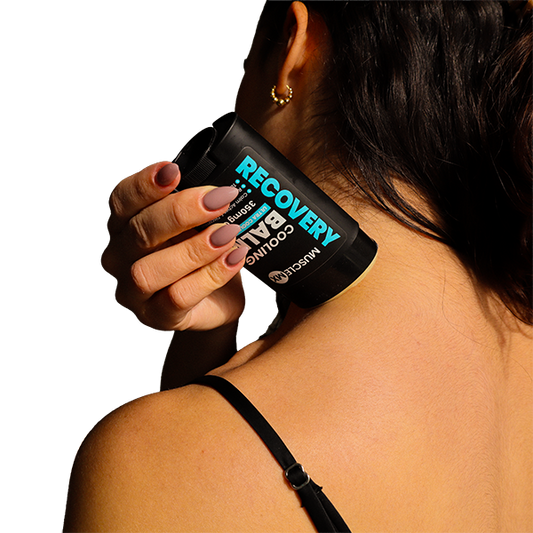
Our Recovery CBD Balm is specially formulated to offer relief. Infused with cooling menthol, it provides an added soothing effect when applied to the sore area. The balm offers targeted, immediate relief, making it an excellent choice for those seeking a direct approach to alleviating ankle discomfort.
Additionally, CBD oils and CBD gummies can support full-body relaxation. By fostering overall relaxation and immune health, these forms of CBD can contribute to a relaxed feeling of overall wellness.
The dual approach of using topical CBD for immediate relief and ingestible CBD for overall well-being can be a comprehensive strategy for supporting your ankle. It's a gentle, natural way to support your body's healing process and maintain comfort.